Sex Worker Rights Munich: Legal Support, Advocacy, and Safety in Germany
When it comes to sex worker rights Munich, the legal and social landscape for adult workers in Germany’s third-largest city is shaped by local laws, grassroots advocacy, and ongoing debates over decriminalization. Also known as sex work advocacy in Bavaria, this movement focuses on safety, dignity, and access to services—not punishment. Unlike in places like Dubai or Moscow, where adult work is outright illegal, Munich operates under a complex but partially regulated system under Germany’s ProstSchG law, which allows sex work but restricts advertising and third-party involvement. This means workers can legally offer services, but face real risks if they’re not careful about how they operate. Many independent escorts in Munich rely on platforms like AdultWork to connect with clients without breaking local rules, but the real challenge isn’t just staying legal—it’s staying safe when police, landlords, and even neighbors don’t always understand the difference between exploitation and consensual work.
adult work Munich, refers to the full range of independent services offered by escorts, models, and performers in the city—from private appointments to event-based work during Oktoberfest. Also known as Munich escort industry, it’s deeply tied to tourism, seasonal demand, and local networking. Workers who thrive here don’t just post profiles—they build relationships with other escorts, join trusted safety circles, and know exactly where to turn if something goes wrong. This isn’t guesswork. It’s survival. And it’s why tools like burner phones, GPS trackers, and emergency apps aren’t optional—they’re standard. The same goes for understanding your rights: you can refuse a client, record a meeting, or walk away without fear of legal consequences… as long as you’re not violating advertising rules or working from an unlicensed location. That’s where sex worker advocacy, a growing network of local organizations and volunteers in Munich, steps in to fill the gaps left by the system. Also known as ProstSchG support groups, these groups offer free legal advice, safe housing referrals, and even help filing police reports when clients turn violent or abusive. They don’t push for legalization—they push for decriminalization. Because when sex workers are treated as criminals instead of workers, they stop reporting abuse, stop seeking medical help, and stop trusting anyone in authority. The most effective support doesn’t come from politicians—it comes from other workers who’ve been there. From shared lists of dangerous clients to group text chains that warn about police raids, the real safety net in Munich is built by the community, not the state.
What you’ll find below isn’t just a list of articles—it’s a toolkit. Every post here was chosen because it answers the questions workers actually ask: How do I set rates without getting ripped off? What apps keep me safe during a meeting? Where can I get legal help if I’m threatened? Who do I call if I’m locked in a hotel room? These aren’t theoretical questions. They’re daily realities. And the answers are here—straight, practical, and written by people who’ve lived them.
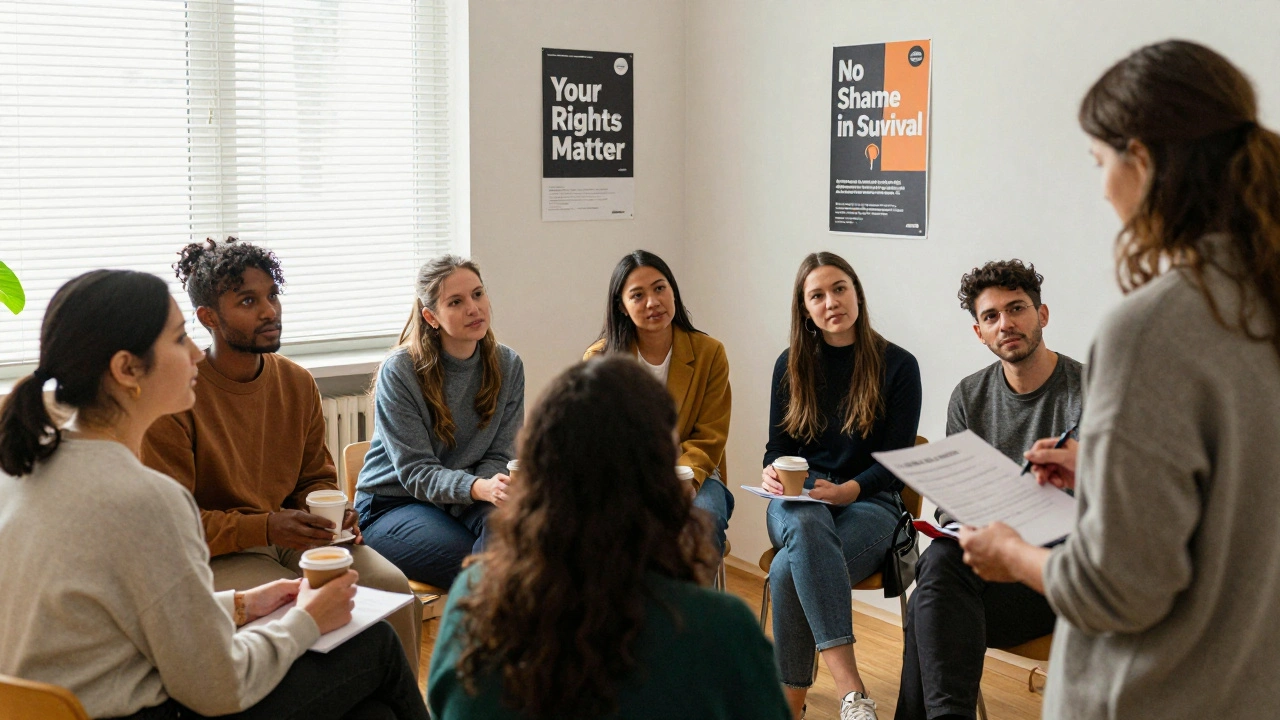
Adult work in Munich is legal but heavily stigmatized. Workers face discrimination in housing, healthcare, and daily life. Learn how they're fighting for safety, dignity, and basic rights.
Dec, 7 2025