Adult Work Munich: Combating Stigma and Discrimination
Walking through the streets of Munich, you might not notice it, but hundreds of people are working in adult work every day-offering companionship, intimacy, or entertainment on their own terms. Yet, for all the visibility of their services online, the people behind those profiles face silence, judgment, and sometimes violence when they step into the real world. This isn’t about morality. It’s about survival. And in Munich, where laws are clear but social attitudes lag behind, adult workers are fighting not just for safety, but for basic human dignity.
What Adult Work in Munich Actually Looks Like
Adult work in Munich isn’t what movies or headlines make it out to be. Most workers aren’t trafficked or coerced. They’re single parents, students, artists, and immigrants who chose this work because it offers flexibility, decent pay, and control over their time. Many use platforms like AdultWork to connect with clients, set their own rates, and screen appointments. Some work from home. Others meet in hotels or private apartments. A few operate out of licensed brothels, though those are rare in Bavaria.
The average hourly rate in Munich ranges from €60 to €120, depending on experience, services offered, and client type. Many workers report higher earnings than in traditional jobs requiring similar levels of emotional labor-like nursing, teaching, or customer service. Yet, despite the income, they’re often treated like criminals.
The Stigma Isn’t Just Social-It’s Systemic
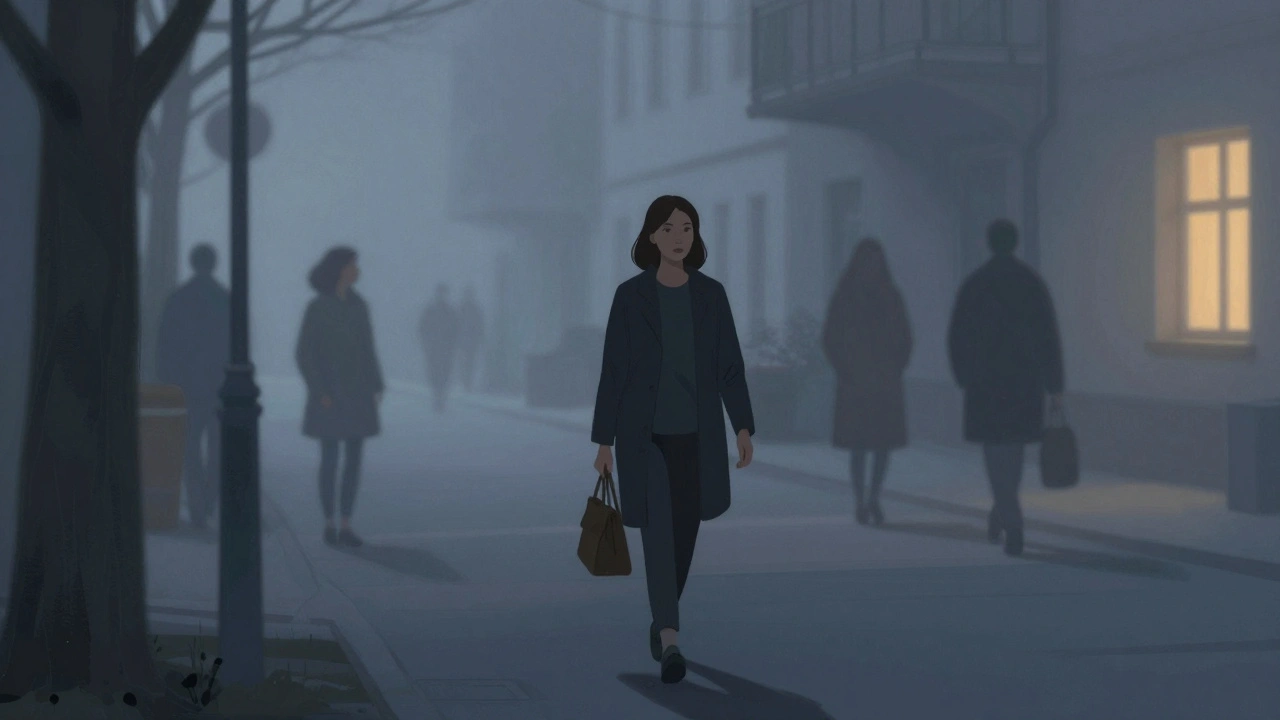
Germany legalized sex work in 2002 with the Prostitution Act, giving workers the right to contracts, health insurance, and labor protections. But in practice, those rights vanish the moment someone steps outside their door. Landlords refuse to rent to adult workers. Banks close accounts when they suspect the income source. Doctors sometimes refuse care unless the patient hides their work. One worker, Maria, told me she had to lie to her GP about her job to get a routine checkup. When she mentioned she was an escort, the nurse asked if she wanted a pregnancy test-like that was the only possible health risk.
Even police, who are supposed to protect everyone, often treat adult workers as suspects rather than victims. A 2023 report by the Munich Human Rights Initiative found that 68% of sex workers who reported harassment or assault were questioned about their profession before being taken seriously. In one case, a worker was robbed at knifepoint. When she called the police, they asked if she’d been working illegally-even though she had a registered business license and paid taxes.
Discrimination in Everyday Life
Imagine being turned away from a daycare because your employer found out what you do for a living. That happened to Lena, a single mother who worked evenings as an escort to pay for her daughter’s after-school care. The daycare director called her in for a meeting and said, "We can’t have children around someone like you." No legal violation. No formal policy. Just fear and judgment.
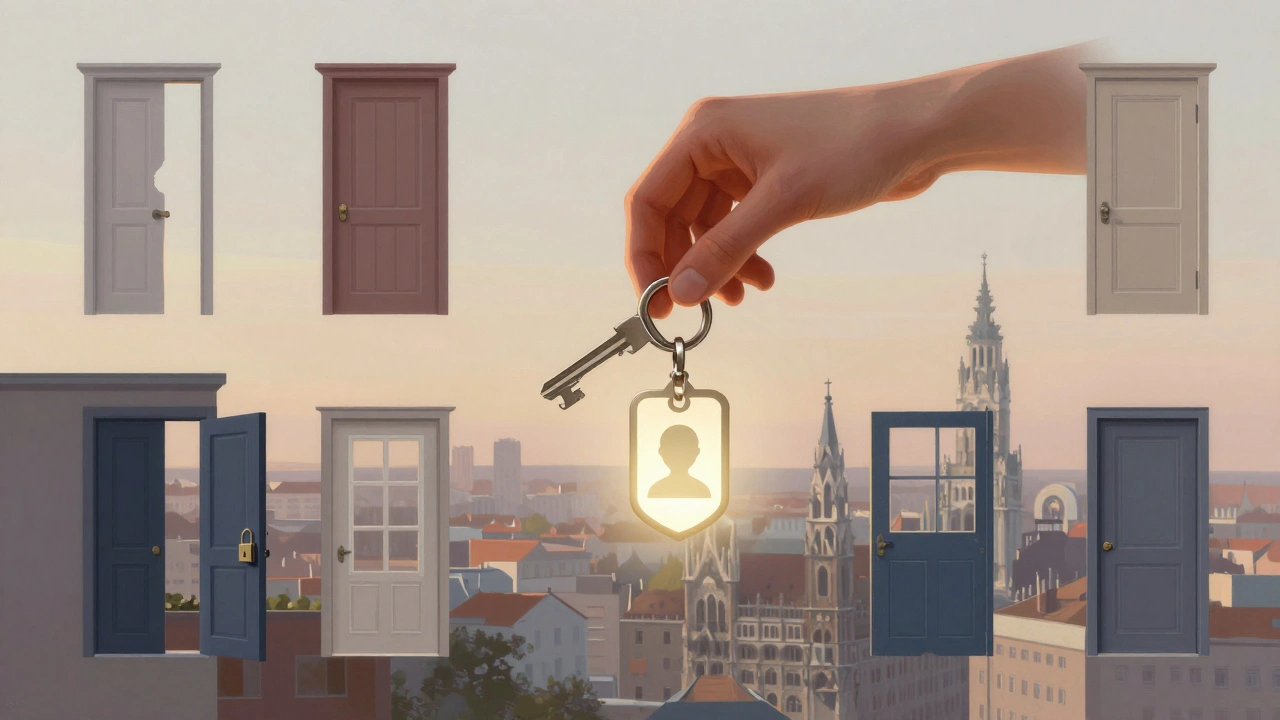
Same goes for housing. A 2024 survey by the German Sex Workers’ Union found that 41% of adult workers in Munich had been evicted or denied rental applications because of their profession. One woman, who’d been renting the same apartment for five years, was told her lease wouldn’t be renewed after a neighbor complained-"You know what she does, right?"
Even online, the stigma follows. When workers try to join local Facebook groups for parents, artists, or freelancers, they’re often banned without warning. One group moderator admitted in a private message: "We don’t allow people who sell sex. It’s not appropriate for our community."
Why This Matters Beyond Munich
This isn’t just a local issue. It’s part of a global pattern: when society criminalizes or shames people for consensual adult work, it doesn’t eliminate the work-it just pushes it underground. And that’s when people get hurt.
When workers can’t talk openly, they can’t report violence. When they’re afraid to see a doctor, STIs spread. When they’re denied banking, they’re forced to carry cash, making them targets. When landlords refuse them housing, they sleep in cars or move constantly. All of this is preventable.
Look at the Netherlands or New Zealand, where sex work is fully decriminalized. In those places, workers have access to unions, legal aid, and public health support. Violence rates are lower. Health outcomes are better. And society doesn’t treat them like pariahs.
Who’s Fighting Back?
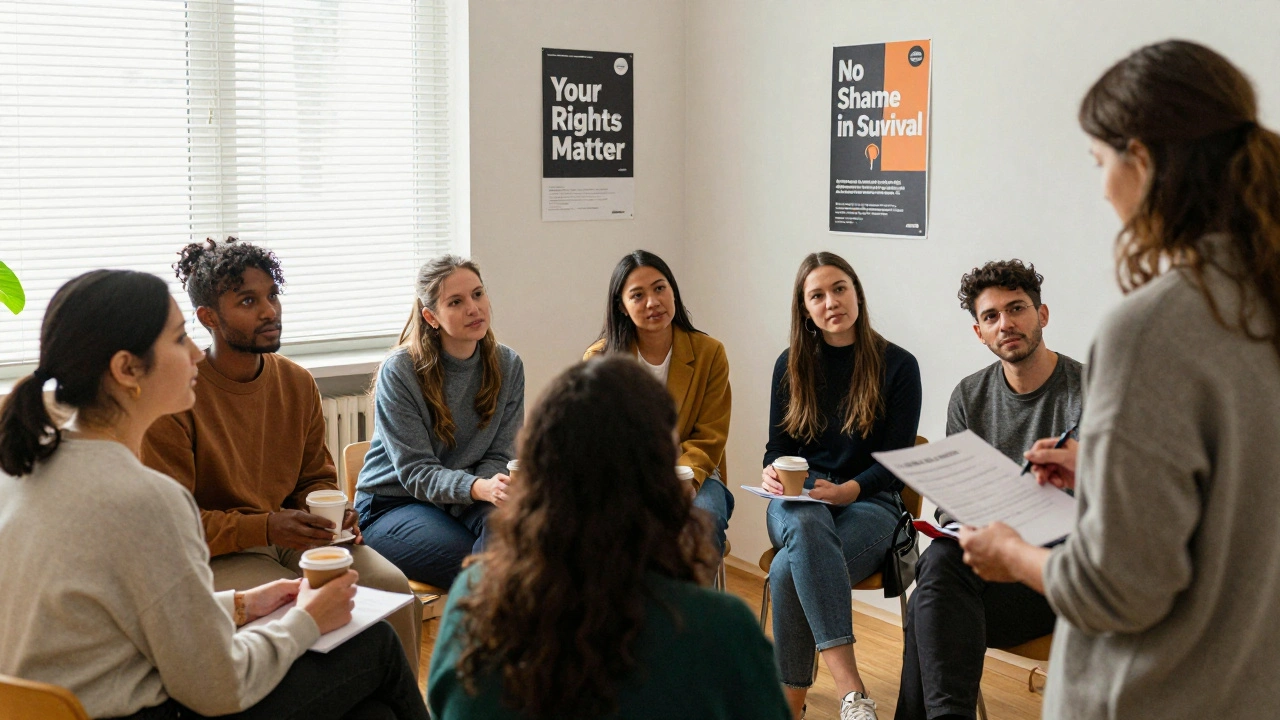
In Munich, a small but growing network of workers and allies is pushing for change. The group Munich Sex Worker Solidarity runs weekly drop-in centers offering free legal advice, safe storage for belongings, and peer counseling. They’ve trained over 30 local doctors on how to treat sex workers without judgment. They’ve helped 17 workers successfully sue landlords for discrimination under Germany’s General Equal Treatment Act.
They also run workshops for schools and community centers. Not to justify adult work-but to explain it. "We don’t ask for your approval," says one organizer. "We ask for your respect. We’re not asking to be heroes. We’re asking to be treated like humans."
Some local politicians have started listening. In 2024, a city councilor proposed a pilot program to allow adult workers to register with the municipal office and receive a badge that grants them access to public services without stigma. It didn’t pass-but it was the first time the idea was formally debated.
What You Can Do
You don’t need to agree with adult work to support the right to safety and dignity. Here’s what actually helps:
- Don’t assume someone’s worth based on their job.
- If you hear someone being mocked for being an escort, speak up. Say, "That’s not okay."
- Support organizations like Munich Sex Worker Solidarity-even just by sharing their events.
- Vote for candidates who support decriminalization and labor rights for sex workers.
- Don’t spread rumors. You don’t know someone’s story.
Real change doesn’t come from outrage. It comes from quiet, consistent acts of humanity.
It’s Not About Approval. It’s About Safety.
Adult work in Munich isn’t going away. The question isn’t whether it should exist-it’s whether the people doing it will be protected. Right now, they’re forced to choose between income and safety. Between dignity and survival.
They’re not asking for special treatment. They’re asking for the same rights everyone else has: to rent an apartment, to see a doctor, to walk down the street without fear, and to be treated like a person-not a stereotype.
That’s not radical. That’s basic.
Is adult work legal in Munich?
Yes. Adult work has been legal in Germany since 2002 under the Prostitution Act. Workers can register as self-employed, pay taxes, and access social security. However, many local practices-like landlords refusing rentals or banks closing accounts-still treat adult work as if it’s illegal.
Can sex workers get health insurance in Munich?
Yes. If they register as self-employed and pay into the German social system, they’re eligible for public health insurance. Many do. But some avoid it because they fear their employer or landlord will find out. Others can’t afford the contributions, especially if their income is irregular.
Do police in Munich protect sex workers?
Sometimes. But reports show that many sex workers are treated with suspicion rather than support. A 2023 study found that over two-thirds of sex workers who reported crimes were questioned about their profession before being taken seriously. Police are legally required to protect everyone, but bias still affects how they respond.
Why don’t more sex workers speak out?
Fear. Many worry about losing housing, custody of children, jobs in other fields, or family relationships. Others have been threatened or harassed after speaking up. The stigma is so strong that silence feels safer-even when it costs them their safety.
Are there safe spaces for adult workers in Munich?
Yes. Groups like Munich Sex Worker Solidarity offer drop-in centers with legal aid, counseling, and peer support. Some community health clinics also have staff trained to work with sex workers without judgment. These spaces are often low-key and not widely advertised, to protect privacy.