Safety Tools and Apps Every Escort Worker Should Use
Why safety isn’t optional for escort workers
If you’re working as an escort, you already know the job comes with risks. No matter how experienced you are, how well you screen clients, or how careful you think you are - the truth is, one bad interaction can change everything. That’s why having the right tools isn’t just smart. It’s survival.
There’s no magic shield that makes you invisible to danger. But there are tools - apps, devices, and habits - that give you real control over your safety. These aren’t fancy gadgets from a spy movie. They’re practical, affordable, and used every day by workers who refuse to take chances.
Emergency alert apps that actually work
Most phone alarms are useless if you’re locked in a car or unable to speak. That’s why real safety apps don’t rely on you pressing a button. They work silently, automatically, or with simple gestures.
SafeTrek is one of the most trusted options. You open the app before a meeting, and if you don’t tap the screen to cancel the alert within 30 seconds, it sends your location, a live audio feed, and a message to your emergency contacts. No panic button. No shouting. Just a quiet countdown that saves you if you can’t speak.
Haven is another favorite. It uses your phone’s microphone and motion sensors to detect sudden sounds or movement - like someone breaking in or dragging you. When it triggers, it plays a loud alarm, records video, and texts your contacts with your live location. It runs in the background while you’re in a client’s home. You don’t need to do anything except leave it on your nightstand or in your bag.
These apps aren’t just for emergencies. Many workers use them as a daily habit - turning them on before every appointment, even if they feel safe. It’s not paranoia. It’s routine, like locking your door.
GPS tracking that keeps you in control
Letting someone know where you are doesn’t mean you’re being watched. It means you’re prepared.
Life360 is widely used by escort workers because it lets you share your real-time location with trusted contacts. You set up a circle of 3-5 people - a friend, a colleague, a security contact. When you arrive at a client’s place, you tap "Arrived". When you leave, you tap "Left". If you don’t update for 15 minutes, they get an alert. No one knows your client’s name. No one knows what you’re doing. They just know if you’re safe.
Some workers use Find My (on iPhone) or Google Find My Device (on Android) the same way. Set up a trusted contact who can see your location. Turn it on before every job. Turn it off when you’re done. Simple. No drama. No explanation needed.
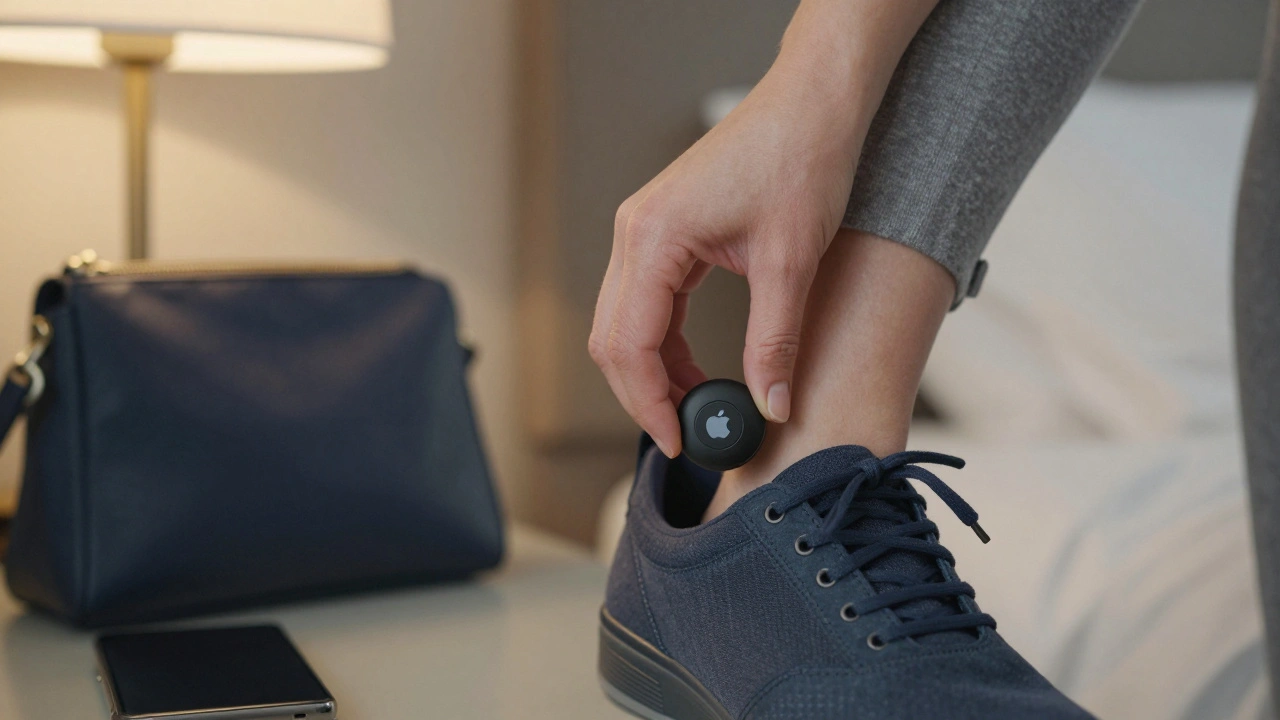
Pro tip: Don’t rely on just your phone. Buy a small, battery-powered GPS tracker like the Tile Pro or Apple AirTag. Clip it to your purse, tuck it in your sock, or stick it under your seat. If something goes wrong and your phone is taken, the tracker still sends your location.

Screening tools that save time and lives
Screening clients isn’t about being rude. It’s about filtering out the ones who lie, manipulate, or hide their intentions.
Escort Radar and AdultWork both let you check client reviews. But don’t just read them - look for patterns. Multiple reports of the same name, same address, same behavior? That’s a red flag. Save those names in a private list. Share them with your network. You’re not gossiping. You’re protecting others.
Use Truecaller to check unknown numbers before you answer. If a client calls from a blocked number or a number with zero reviews, ask them to text their full name and appointment time. If they refuse? Walk away. Real clients don’t mind giving basic info. Scammers do.
Some workers use Google Voice to create a separate phone number just for work. You never give out your real number. You can block numbers instantly. You can record calls (where legal). You can delete the number anytime. It’s low-cost, private, and gives you total control.
Physical safety gear you can carry without drawing attention
Apps are great, but sometimes you need something you can hold in your hand.
Pepper spray is legal in the UK if it’s under 100ml and labeled as a personal alarm. Many workers carry the Fox Labs Pepper Gel - it sticks to skin, doesn’t blow back in the wind, and is easy to aim. Keep it in your purse, clipped to your belt, or taped inside your shoe.
Stun guns are illegal in the UK. Don’t risk it. But a personal alarm with a 130-decibel siren? That’s legal, cheap, and effective. The ASR-100 is small enough to fit in your palm. One press, and it screams like a fire alarm. It won’t stop an attacker, but it will draw attention - and most predators run from noise.
Carry a portable phone charger. If your phone dies, you’re vulnerable. A 10,000mAh power bank fits in your pocket. Charge it before every job. Always.
Communication habits that reduce risk
Technology helps, but your behavior matters more.
Never go to a client’s place without a backup plan. Always tell someone where you’re going - even if it’s just a friend who doesn’t know the details. Say: "I’m heading to a meeting in Hove. I’ll check in at 10:30. If I don’t, call 999 and say my name is Jane."
Use coded language. Instead of saying "I’m with a client," say "I’m at the dentist." Instead of "I’m leaving," say "I’m heading to the gym." It keeps your conversations private if someone overhears.
Never accept cash-only payments without a receipt. Even a photo of a signed note with the date, time, and amount helps if something goes wrong. It’s proof you were there for a legitimate service.
Always leave your car or taxi running when you arrive. If you feel unsafe, you can walk out and drive away in seconds. Don’t park far away. Don’t walk alone to the door. Stay in control of your exit.

What to do if something goes wrong
Even with all the tools, things can still go sideways. Here’s what to do - in order.
- Stay calm. Panic makes you vulnerable. Breathe. Think.
- If you can, get to a safe place - a public area, a store, a gas station. Don’t wait for help.
- Call 999. Say: "I’m a sex worker. I’m in danger. My name is [your name]. I was at [location]. I have an alert sent to my contacts. I need police."
- Send your location to your emergency contacts. Use your app or phone.
- Report the incident to your network. Share the client’s details. Save their number. Save their car plate. Save any messages.
- Reach out to a support group like UKSAW (UK Sex Workers’ Advocacy Network) or STRASS. They offer legal advice, counseling, and help reporting to police without judgment.
Tools you don’t need - and why
There are a lot of "escort safety" products marketed online. Most are useless.
Don’t buy "escort security bracelets" that claim to send alerts. They’re expensive, unreliable, and often don’t work without a subscription. Skip them.
Don’t use apps that require you to pay monthly fees for basic features. Most free apps - like SafeTrek, Haven, Life360 - are just as good.
Don’t trust random forums for safety tips. Some posts are written by people who don’t even work in the industry. Stick to trusted networks: worker collectives, verified groups on Telegram, or organizations like SWARM or Red Umbrella Fund.
Final reminder: You’re not alone
Working safely isn’t about being perfect. It’s about being prepared. It’s about knowing you have a plan - and that someone will notice if you disappear.
Every worker who’s made it this far has had a close call. The difference between those who kept going and those who didn’t? They had tools. They had a system. And they weren’t afraid to use them.
You don’t need to be fearless. You just need to be smart. And you’re already on the right path.
Are safety apps legal for escort workers in the UK?
Yes, all the apps mentioned - SafeTrek, Haven, Life360, Google Find My, and Truecaller - are legal to use in the UK. They don’t record calls without consent, and they don’t track people without permission. As long as you’re using them to protect yourself and not to spy on others, there’s no legal issue. Personal alarms and pepper spray (under 100ml) are also legal for self-defense.
Can I use these tools if I work online or only in person?
Absolutely. Even if you only do video calls or virtual sessions, you still need safety tools. Scammers can fake identities, record you without consent, or try to blackmail you. Use Google Voice for a separate number. Use Haven to record suspicious calls. Use Life360 to let someone know when you’re working. Safety isn’t about where you are - it’s about who you’re dealing with.
What should I do if a client refuses to let me leave?
If you’re being held against your will, your priority is getting out alive. Don’t argue. Don’t resist unless you can safely escape. Use your phone to activate your emergency alert app. If you can, drop your phone or drop your bag - it might trigger a live feed. If you have a GPS tracker, it will still send your location. As soon as you’re free, call 999 and say you’re being held. Police take these reports seriously, especially if you’ve already alerted your contacts.
How do I share safety info with other workers without getting in trouble?
Use coded language. Instead of names, use initials, car colors, or addresses. Instead of saying "John Smith is dangerous," say "Client with a red Toyota and a tattoo on his neck - avoid him." Share info through encrypted apps like Signal or Telegram groups made for workers. Never post names or photos publicly. Most worker networks have private channels where you can warn others safely.
Do I need to spend a lot of money on safety gear?
No. You don’t need expensive gadgets. A phone, a power bank, a personal alarm, and a free app like SafeTrek cost under £50 total. Many workers use what they already have - a second-hand phone, a cheap GPS tracker, and a friend who checks in. The most valuable tool isn’t the device. It’s your awareness and your network.