Managing Taxes and Finances with an Escort Job in the UK
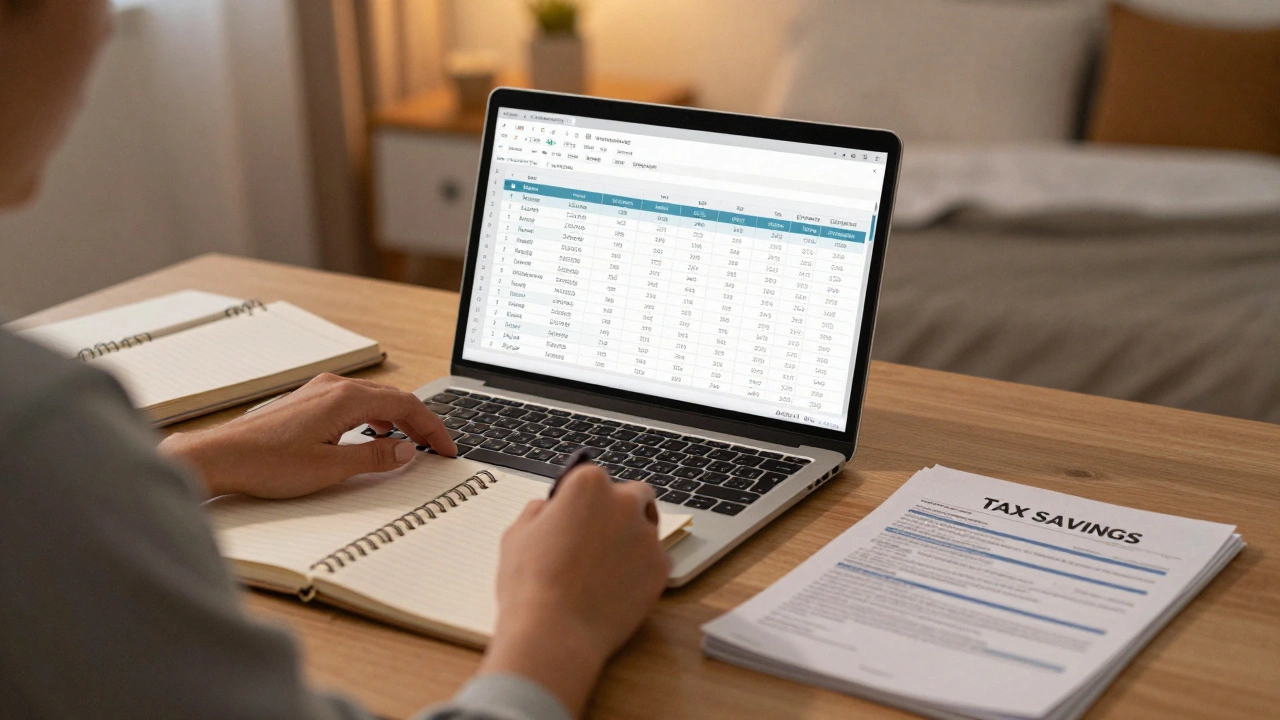
If you're working as an independent escort in the UK, you're not just managing appointments and client communication-you're running a small business. That means taxes, expenses, bank accounts, and record keeping aren't optional. They’re the backbone of staying legal, avoiding penalties, and keeping more of what you earn. Many escorts assume their income is too irregular or too private to handle officially, but HMRC doesn’t care how you earn your money-only that you report it. The good news? With the right system, managing your finances doesn’t have to be overwhelming.
Are escort earnings taxable in the UK?
Yes. Every pound you earn from escorting is taxable income, no matter how you receive it-cash, bank transfer, or even cryptocurrency. HMRC treats independent escorts as self-employed, which means you’re responsible for declaring your income and paying Income Tax and National Insurance. There’s no gray area here. HMRC has access to bank data, payment processor records, and even social media activity. If you’re earning over £1,000 a year (the trading allowance), you must register as self-employed. Even if you earn less, keeping records is still smart. You never know when an audit might happen.
Some escorts think they can avoid taxes by only accepting cash. That’s risky. Cash doesn’t disappear-it just leaves a gap in your financial trail. If you ever need a mortgage, a loan, or even a visa, banks will ask for proof of income. Without records, you’re stuck. Plus, HMRC doesn’t need to catch you red-handed to start an investigation. A random sample of bank deposits flagged as unusual can trigger a letter.
How to register as self-employed
Registering with HMRC takes less than 15 minutes online. Go to gov.uk/self-employed and click ‘Register’. You’ll need your National Insurance number, email, and basic details about your business. Once registered, you’ll get a Unique Taxpayer Reference (UTR). Keep it safe. You’ll need it every year when you file your Self Assessment tax return.
You have until October 5th after the end of the tax year (April 5th) to register. But don’t wait. If you miss the deadline, you could face a £100 fine-even if you don’t owe any tax yet. Once registered, you’ll file your first tax return by January 31st of the following year. For example, if you started in June 2025, your first return covers April 6, 2025, to April 5, 2026, and is due January 31, 2027.
What expenses can you claim?
As a self-employed escort, you can deduct any cost that’s “wholly and exclusively” for your business. That means if you use something for both personal and work purposes, you can only claim the business portion. Here’s what’s allowed:
- Transport costs: Mileage for trips to and from client meetings. Use HMRC’s approved rate: 45p per mile for the first 10,000 miles, then 25p after that.
- Phone and internet: If you use your phone or Wi-Fi for booking, messaging, and scheduling, claim a portion-say 60% if that’s your estimated business use.
- Professional grooming: Haircuts, makeup, skincare, and clothing worn specifically for work. You can’t claim everyday clothes, but if you buy a new outfit solely for client meetings, that’s deductible.
- Software and apps: Booking tools, calendar apps, secure messaging platforms, and accounting software like QuickBooks or Wave.
- Home office: If you use a room or corner of your home for admin work, you can claim a portion of your rent, utilities, and broadband. Use HMRC’s simplified flat rate: £6 per week (or £312 per year).
- Advertising: Fees for listing on sites like AdultWork, social media ads, or professional photography.
Keep receipts. Even if you pay cash, take a photo of the receipt or write down the date, amount, and purpose. A simple spreadsheet works. HMRC doesn’t require fancy bookkeeping-just clear, organized records.
How to track your income and expenses
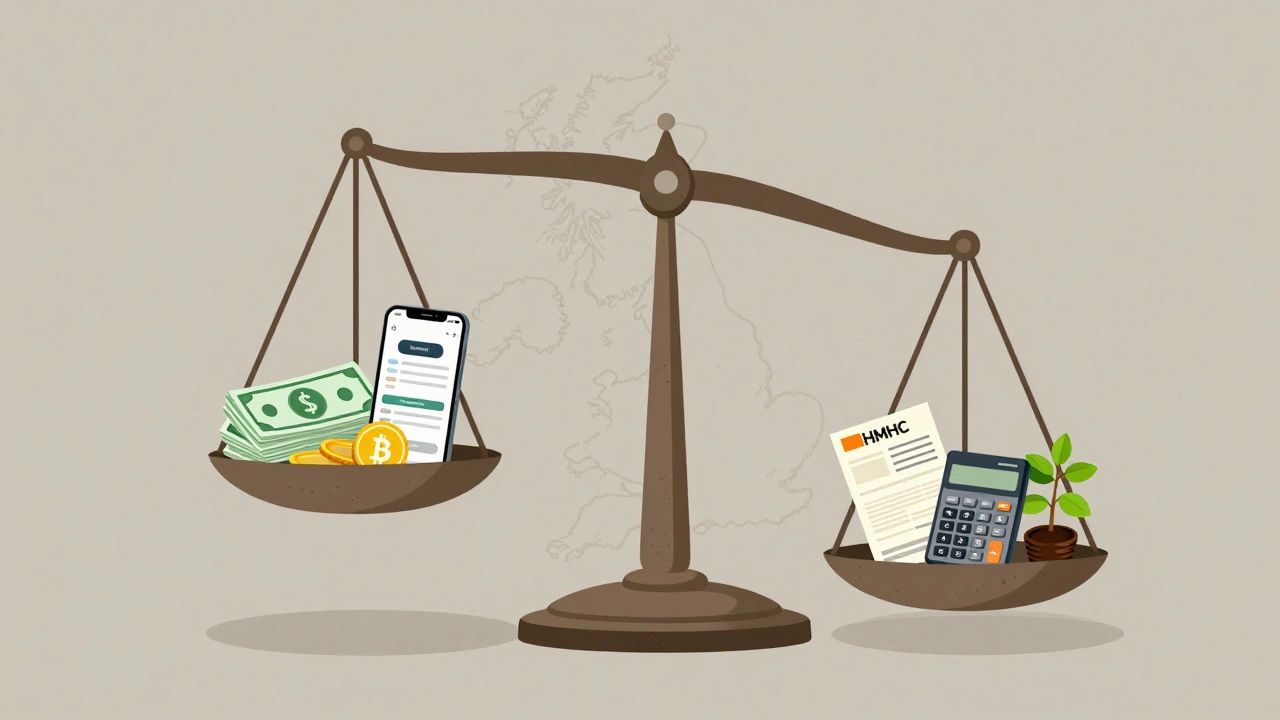
You don’t need an accountant to start. Many escorts manage their own books with free tools. Try Wave (free accounting software) or even a Google Sheet. Create two columns: one for income, one for expenses. Date each entry. Label every transaction clearly-don’t just write “payment.” Write “Client A - 15/03/2025 - £180.”
Use separate bank accounts. Even if you only have one, open a dedicated business account. It makes reconciling your records easier and keeps your personal life private. Some banks allow you to open a basic business account without proof of business registration-just your UTR and ID. Monzo and Starling offer free business accounts with built-in expense tracking.
Set aside money for taxes. Don’t wait until the bill arrives. If you earn £30,000 a year, you’ll owe roughly £7,000 in tax and National Insurance. That’s about 23%. Put 25% of every payment into a savings account labeled “Taxes.” That way, when January rolls around, the money’s already there.
When and how to file your tax return
You file your Self Assessment tax return online through HMRC’s website. The deadline is January 31st each year. If you miss it, you get fined £100 immediately, then £10 a day after three months. If you owe tax and don’t pay by January 31st, you’ll also get charged interest.
The return asks for your total income and total allowable expenses. HMRC calculates your profit (income minus expenses) and applies the tax rates. For 2025/26, here’s what you pay:
- Personal Allowance: £12,570 (tax-free)
- Basic rate: 20% on income between £12,571 and £50,270
- Higher rate: 40% on income between £50,271 and £125,140
- National Insurance Class 2: £3.45 per week if your profit is over £6,725
- National Insurance Class 4: 9% on profits between £12,571 and £50,270, then 2% above that
Example: You earn £28,000 and claim £6,000 in expenses. Your profit is £22,000. You pay £1,886 in Class 4 NIC and £1,900 in Income Tax. Total tax: £3,786. That’s 17% of your gross income.
Common mistakes escorts make
Most problems come from simple oversights:
- Not registering on time: Even if you earned £500 last year, if you didn’t register, you’re breaking the law.
- Claiming personal expenses: You can’t claim your monthly gym membership or your Netflix subscription unless you can prove it’s used solely for work (like a private training video).
- Using personal accounts: Mixing business and personal money makes audits harder and looks suspicious.
- Ignoring quarterly payments: If you owe more than £1,000 in tax, you might need to pay on account. HMRC will tell you if this applies.
- Thinking cash is invisible: HMRC sees patterns. A sudden £2,000 deposit every Friday from different names? That’s a red flag.
One escort I know in Brighton lost £8,000 in penalties and interest because she didn’t file for three years. She thought no one would notice. HMRC did. And they didn’t care that she was an escort-they only cared that she didn’t pay what she owed.

When to hire an accountant
You don’t need one to start. But if your income grows past £40,000, or you’re dealing with international clients, property, or multiple income streams, an accountant saves time and money. Look for someone experienced with self-employed service workers-not just traditional businesses. Ask if they’ve worked with sex workers or freelancers before. Some firms specialize in this. They understand privacy concerns and know how to structure claims without unnecessary disclosure.
A good accountant costs £300-£600 a year. That’s often less than the tax savings they find for you. Plus, they handle communications with HMRC. If you get a letter, they reply. You don’t have to.
What happens if you don’t pay?
HMRC doesn’t send bailiffs for unpaid escort taxes. But they do have power. They can:
- Freeze your bank accounts
- Take money directly from your wages if you have another job
- Issue a penalty up to 100% of the tax owed
- Publicly name you in a tax defaulters list (rare, but possible)
They can’t arrest you for tax evasion unless there’s fraud-like falsifying documents or hiding assets. But ignorance isn’t a defense. If you didn’t know you had to pay, you still owe it. And interest adds up fast.
How to stay safe and legal
Legal compliance isn’t just about avoiding fines-it’s about protecting your future. A clean tax record means:
- Easier access to loans or mortgages
- More credibility if you ever want to transition to another career
- Peace of mind
Use encrypted apps for communication. Keep your address private. Don’t link your escort profile to your personal social media. But when it comes to money? Be open with HMRC. They don’t care about your job-they care about your honesty.
There’s no shame in running your business legally. In fact, it’s the smartest thing you can do.
Do I have to declare cash income from escorting?
Yes. All income, whether paid in cash, bank transfer, or crypto, must be declared to HMRC. Not declaring cash income is tax evasion and can lead to penalties, interest, or even legal action. HMRC can trace bank deposits and patterns-even if you think the cash is untraceable.
Can I claim my car as a business expense?
You can’t claim the full cost of your car, but you can claim mileage. HMRC allows 45p per mile for the first 10,000 miles in a tax year, then 25p after that. Keep a log of dates, destinations, and miles driven for client meetings. Fuel, insurance, and repairs are not deductible unless you use the actual cost method-which is complex and rarely worth it for escorts.
What if I only work part-time or seasonally?
It doesn’t matter how often you work. If you earn over £1,000 in a tax year from escorting, you must register as self-employed. Even if you only work three months a year, you still need to report that income. HMRC doesn’t make exceptions for part-time or seasonal work.
Can I use my home address on my escort profile?
Technically, you can-but it’s not safe. Using your home address publicly increases risks like unwanted visitors or harassment. Use a PO Box, virtual office, or a trusted friend’s address for your listings. You don’t need to give your real address to HMRC either-just your correspondence address, which can be different.
Do I need to pay VAT on my escort services?
No. Escort services are exempt from VAT in the UK. You don’t need to register for VAT unless your total business income from all sources exceeds £90,000 in a 12-month period. Even then, you can choose not to charge VAT on escort services.