Essential Supplies and Tools for a Professional Escort Job
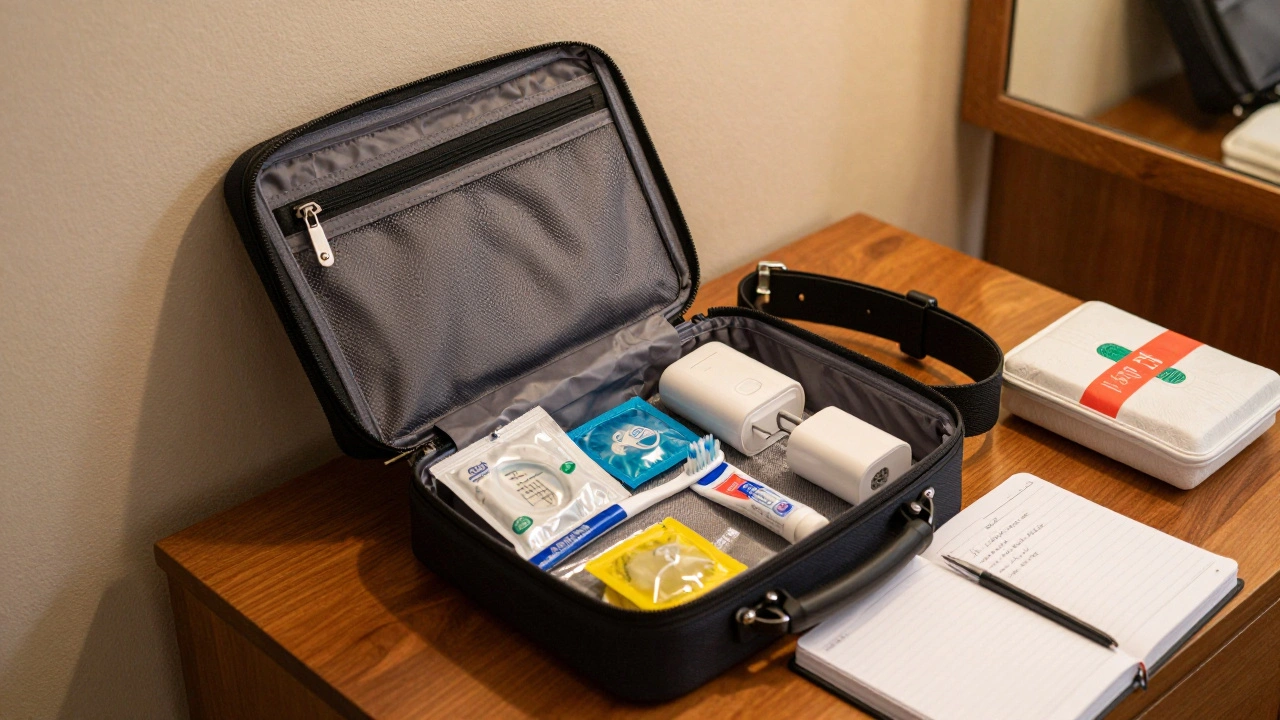
Being a professional escort isn’t just about showing up-it’s about being ready. The right tools and supplies make the difference between a smooth, safe encounter and a stressful, risky one. This isn’t about glamor or fantasy. It’s about practicality, control, and personal safety. If you’re serious about doing this work professionally, you need more than good looks or charm. You need a system.
Personal Hygiene and Grooming
Your body is your workspace. Keeping it clean and well-maintained isn’t optional-it’s non-negotiable. Most clients expect a high standard of personal care. That means showering before every appointment, fresh breath, clean nails, and well-groomed hair. Keep a small travel kit in your bag at all times: toothbrush, toothpaste, floss, deodorant, facial wipes, and a mini bottle of hand sanitizer. Don’t rely on hotel amenities. They’re inconsistent. Bring your own.
Shaving or waxing? Do it the day before, not the morning of. Skin can be sensitive after hair removal. If you’re using products like depilatory creams, test them on a small area first. Irritation during an appointment can ruin the mood-and your reputation.
Protection and Safety Gear
Safety isn’t a buzzword. It’s your first line of defense. Condoms are mandatory. Always. Not just for clients who ask-they’re for you. Keep a sealed, unopened pack in your purse, bag, or even your shoe. Don’t wait until the moment to dig through your bag. Have them ready before you enter the room.
Many professionals also carry a small bottle of water-based lubricant. Oil-based lubes can damage condoms and irritate skin. Water-based is safe, discreet, and easy to clean up. Avoid scented or flavored lubes unless you know the client specifically asked for them. Unnecessary smells can trigger discomfort or even allergies.
Some escorts carry a personal alarm. Not the loud, jarring kind you see in movies-small, quiet, and easy to activate with one hand. Clip it to your belt or tuck it into your bra. If something feels off, you can trigger it without drawing attention. It’s not about scaring the client. It’s about signaling to yourself: you have an exit plan.
Communication and Screening Tools
Screening clients isn’t just asking for a photo. It’s verifying identity, checking references, and trusting your gut. Use a dedicated burner phone for client communication. Never give out your personal number. Apps like Signal or Telegram are encrypted and leave no trace on your main device. Set up a separate email for bookings-something simple like [email protected].
Keep a checklist for every new client: Do they have reviews? Have they been on the platform long? Do they ask for specific services upfront or try to negotiate after meeting? Red flags include: refusing to share their real name, asking you to meet in a secluded location without a public option, or pressuring you to skip protection.
Always tell someone where you’re going and when you’ll be back. That person doesn’t need to know details-just the address, the client’s name (if given), and the expected return time. Set a timer on your phone for 15 minutes before your scheduled end time. If you don’t check in, they call the police. Simple. Effective.

Professional Appearance and Wardrobe
Your outfit should match the client’s expectations without being over-the-top. You’re not a costume. You’re a professional. Keep a small wardrobe of versatile pieces: a tailored blazer, a little black dress, neutral heels, and a pair of comfortable flats. You never know if you’ll be walking to a car or standing for an hour.
Bring a small garment bag. Wrinkles look sloppy. A travel steamer is worth the weight. If you’re meeting in a hotel, ask if they offer ironing services. If you’re meeting in a private home, assume they won’t. Always have a backup outfit in your car or bag. Things happen. A spilled drink, a ripped seam, a sudden change in plans-you need options.
Accessories matter. Minimal jewelry. No flashy watches or expensive rings. They draw attention and can be targets. A simple watch is fine-just make sure it’s not a brand that screams "I’m rich."
Payment and Financial Tools
Never rely on cash alone. While some clients still pay in cash, digital payments are safer and leave a record. Use a mobile payment app like PayPal, Venmo, or Wise. Set up a separate business account. Don’t mix personal and professional money. It makes taxes easier and keeps your finances clean.
Always confirm payment before any physical contact. Say it clearly: "I need payment before we start." Don’t apologize for it. It’s standard. If they hesitate, walk away. No client is worth your safety or peace of mind.
Keep a small notebook or use a notes app to log every transaction: date, client name (or code), service provided, amount paid, and method. This isn’t for legal reasons-it’s for your own clarity. You’ll forget details. This keeps you grounded.
Emergency and Backup Items
Things go wrong. A car breaks down. A client gets aggressive. A power outage. You need to be prepared for the unexpected. Keep these in your car or bag:
- A portable phone charger (10,000mAh minimum)
- A small flashlight (keychain size)
- A bottle of water and a protein bar
- A change of underwear and socks
- A small first aid kit: bandages, antiseptic wipes, pain relievers
- A copy of your ID and a printed emergency contact list
Some escorts carry a small vial of pepper spray. It’s legal in the UK if it’s under 100ml and labeled as a personal safety device. Know how to use it. Practice the motion. Don’t wait until you’re scared to figure it out.
Technology and Digital Tools
Use a password manager for all your professional accounts. Don’t reuse passwords. Ever. Your escort profile, email, payment apps, and messaging apps should all have unique, strong passwords. Use 1Password or Bitwarden. They sync across devices and are encrypted.
Turn off location services on your phone when you’re not using them. Many apps track your movements. Disable geotagging on photos. Don’t post anything from your location unless you’re certain it’s safe.
Use a VPN on public Wi-Fi. Even if you’re just checking your email in a café, your data can be intercepted. NordVPN or ProtonVPN are reliable. They’re cheap and easy to set up.
What Not to Bring
Don’t bring anything that ties you to your real identity. No family photos. No personal documents beyond your ID. No expensive jewelry. No branded bags that scream "I’m a model" or "I work for a luxury brand."
Avoid bringing your laptop or tablet unless absolutely necessary. If you need to work, use a public library computer or a friend’s device. Your phone is enough.
Never carry drugs, even if you think it’s "harmless." It’s not worth the legal risk. Even prescription meds should be kept in their original bottles with your name on them.
Building Your Routine
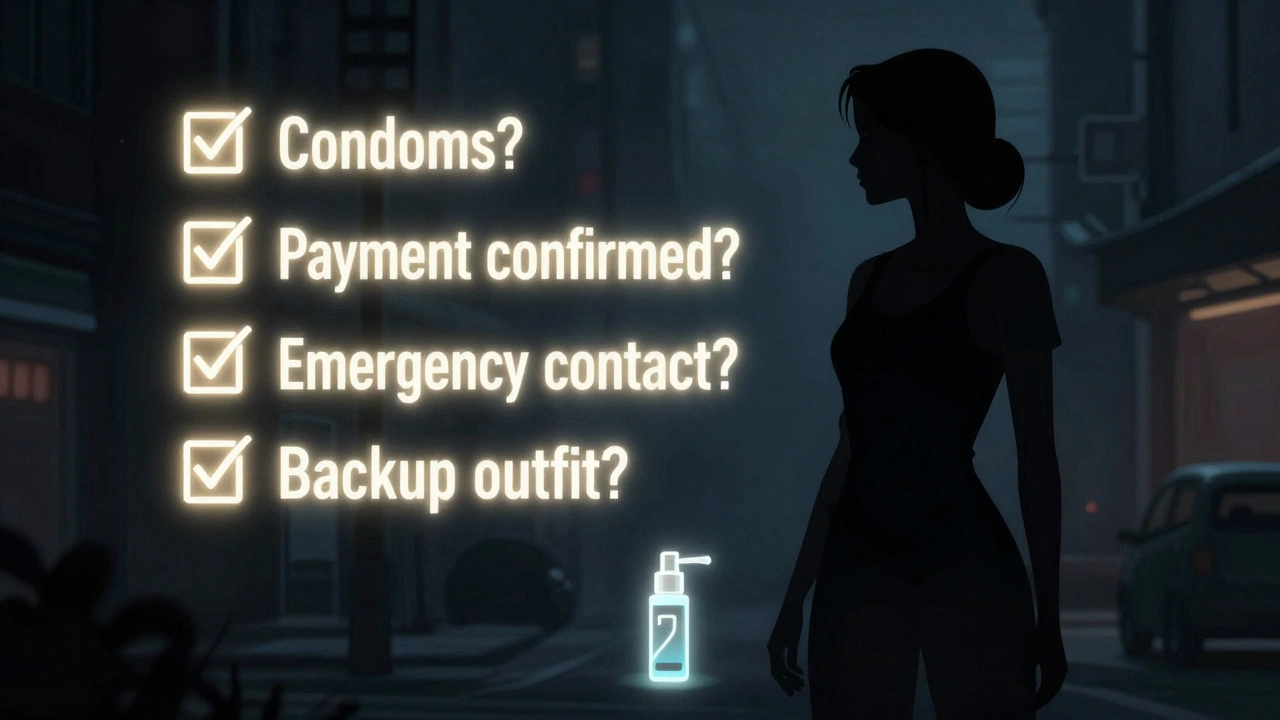
Successful escorts don’t wing it. They have routines. Every morning, check your schedule. Review client notes. Pack your bag the night before. Do a quick mental checklist: protection? Payment method? Emergency contacts? Backup outfit?
After each appointment, take five minutes to write down what happened. What worked? What felt off? What would you change next time? This isn’t journaling. It’s data collection. Over time, patterns emerge. You’ll start recognizing red flags before they become problems.
Don’t underestimate the power of rest. This work is emotionally draining. Sleep. Eat well. Talk to someone who gets it. You’re not just providing a service-you’re managing your mental health every single day.
Do I need to carry condoms even if the client says they have them?
Yes. Always. Never trust someone else’s supply. You don’t know if they’re expired, damaged, or even real. Carry your own, sealed, and use your own. It’s your body, your rules.
Is it safe to meet clients in hotels?
Hotels can be safe if you choose wisely. Book through a reputable chain, ask for a room on a higher floor, and always verify the booking is under your name. Avoid small, independent motels with poor security. Never go to a room without confirming the reservation first.
Should I use my real name on escort sites?
No. Use a professional alias. Your real name, address, phone number, and social media should never be linked to your escort profile. Keep your personal and professional lives completely separate. It’s not paranoia-it’s protection.
What if a client refuses to pay?
Walk away. Do not argue. Do not try to force payment. Leave immediately. If you’ve documented the interaction and have proof of your agreement (text, email, app message), you can report the incident to the platform. Never risk your safety for money.
How often should I update my escort supplies?
Check your kit every month. Replace expired condoms, refill sanitizer, recharge your power bank, and restock wipes. If something breaks or gets lost, replace it immediately. Your safety gear should always be ready.
There’s no magic formula for success in this line of work. But there is a clear path: preparation, boundaries, and consistency. The right tools don’t just make your job easier-they keep you alive. Treat this like any other profession. Because it is.