Creating Boundaries: Emotional Labor Tips for Adult Work in Moscow
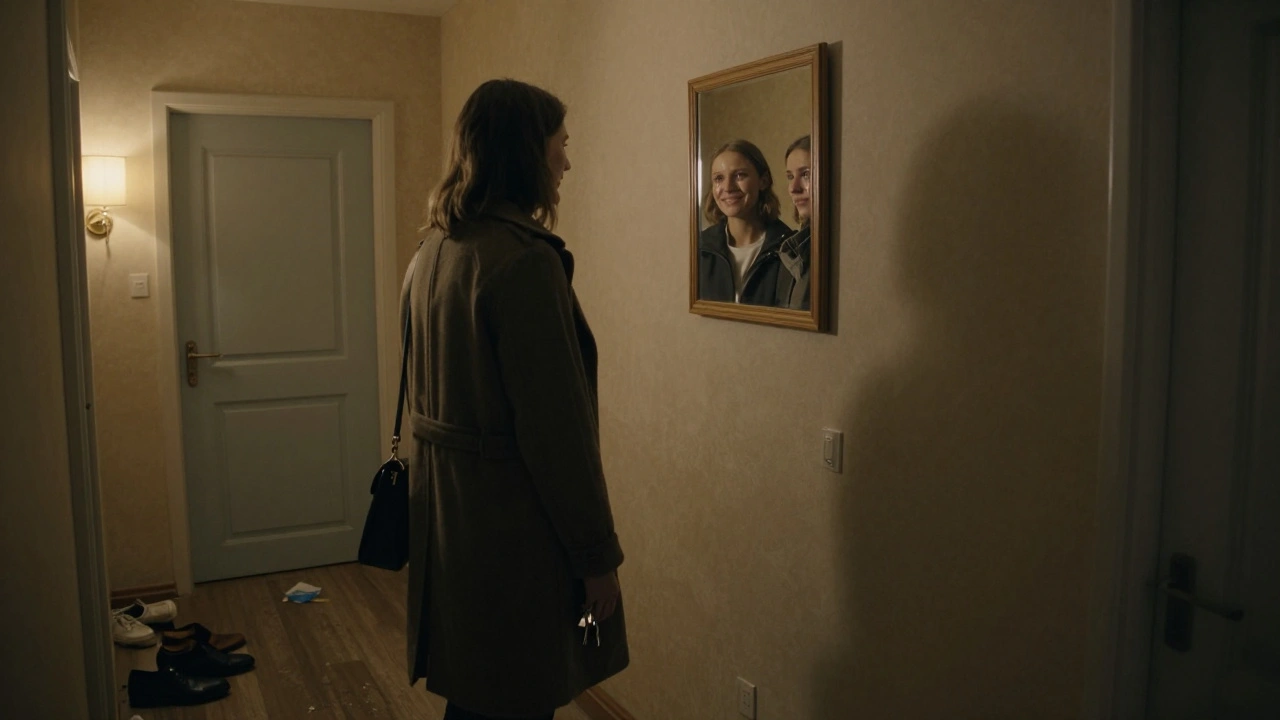
Working in adult services in Moscow isn’t just about physical encounters-it’s about managing emotions, expectations, and exhaustion. Many people assume the job is transactional, but the real cost is emotional labor: the invisible work of staying calm when you’re drained, smiling when you want to cry, and pretending you’re fine when you’re not. If you’re doing this work in Moscow, you’re not alone in feeling stretched thin. The city’s fast pace, strict social norms, and lack of support systems make emotional boundaries harder to hold. But they’re not impossible. Here’s how to protect your mental space without losing your income.
Know Your Limits Before You Say Yes
Before you accept a booking, ask yourself: Can I do this without feeling violated or hollow afterward? Too many workers say yes to everything-extra time, special requests, emotional confessions-because they’re afraid of losing clients or income. But every ‘yes’ without a boundary costs you something. Start keeping a simple log: write down each job, what was asked of you emotionally, and how you felt after. After a week, look for patterns. Do certain types of clients leave you exhausted? Do you feel pressured to be a therapist? That’s your signal to adjust your rules.Set clear, non-negotiable limits. For example: No overnight stays unless pre-paid and confirmed in writing. No discussing personal trauma. No kissing unless explicitly agreed in advance. These aren’t cold rules-they’re survival tools. Write them down. Save them in your phone. Say them out loud before the client arrives. You’re not being rude. You’re protecting your energy.
Separate Work Self from Personal Self
In Moscow, where privacy is hard to come by, it’s easy to blur the lines between who you are and who you pretend to be. One client might call you ‘baby’ and expect you to reply the same way. Another might ask for your real name, your hobbies, your family. The longer you stay in this work, the more your identity starts to feel like a costume you can’t take off.Build a ritual to switch between roles. Before a meeting, take five minutes alone. Breathe. Listen to one song you love. Say out loud: “This is work. This is not me.” Afterward, do the reverse. Wash your face. Change your clothes. Light a candle. Play music that reminds you of who you are outside this job. These small acts reset your nervous system. They tell your brain: you’re safe now. This isn’t theater-it’s neurobiology. Your brain needs cues to know when the stress is over.
Stop Being the Emotional Dumpster
A lot of clients in Moscow come to adult workers because they feel lonely. That’s not your fault. But it’s not your job to fix it. When someone tells you about their divorce, their depression, or their fear of being alone, your instinct might be to comfort them. You say, “I understand,” or “You’re not alone,” and you mean it. But you’re not a counselor. You’re not their therapist. And carrying their pain doesn’t help them-it drains you.Practice gentle redirection. If a client starts oversharing, say: “I’m here to make you feel good tonight, not to solve your life.” Or: “I care about your feelings, but I can’t talk about this. Let’s focus on what we agreed on.” You don’t need to be harsh. Just firm. Most clients will respect that. Those who don’t? Block them. Your emotional bandwidth is limited. Don’t waste it on people who won’t pay for your peace.

Build a Support Network Outside the Job
You might think you can’t talk about this work with anyone. That’s common. But isolation makes emotional labor worse. You don’t need to tell your family or coworkers. But you do need one person who knows what you do and doesn’t judge you for it. Maybe it’s another worker you met online. Maybe it’s a therapist who specializes in sex work. Maybe it’s a friend from college who doesn’t ask questions but shows up with coffee when you’re down.Join a private Telegram group for adult workers in Moscow. There are a few. You’ll find people who know the exact same exhaustion you feel. Share what you’re going through without fear. Ask: “How do you handle it when someone makes you feel used?” You’ll get answers that help. You’ll realize you’re not broken. You’re just working in a system that doesn’t care about your heart.
Track Your Emotional Energy Like a Budget
Think of your emotional energy like money. You get a fixed amount each day. Spending it on a client who demands 90 minutes of affectionate chatter? That’s a big withdrawal. Spending it on someone who’s quiet and respectful? That’s a small one. If you spend too much, you go into debt-and that’s when burnout hits.Start tracking it. At the end of each day, rate your emotional energy on a scale of 1 to 10. Did you feel drained? Was it a 3? What happened? Was it the client? The commute? The fear of being seen? Over time, you’ll see what drains you and what refills you. Then, make smarter choices. Skip the client who always leaves you at a 2. Take the one who pays extra and lets you leave early. Your energy is your currency. Spend it wisely.

Use Physical Cues to Reset Your Mind
Your body remembers what your mind tries to forget. After a long day, you might feel numb. Or you might feel shaky. Or you might cry for no reason. That’s your body saying: I’m still processing.Use physical routines to reset. Take a cold shower. Walk barefoot on grass. Hold an ice cube in your hand until it melts. Squeeze a stress ball until your knuckles turn white. These aren’t tricks-they’re ways to interrupt the stress cycle. Your nervous system gets stuck in fight-or-flight mode when you’re constantly managing emotions. Physical sensations bring you back to your body. And your body is your anchor.
Try this: Every time you finish a job, spend two minutes doing something tactile. Rub lotion on your hands. Stretch your arms over your head. Press your palms against a wall. Don’t think. Just feel. This tells your brain: The work is done. You’re safe now.
Know When to Walk Away
There’s no shame in quitting. Not because you failed. But because you chose yourself. Some days, the emotional weight is too heavy. You feel like you’re fading. You don’t recognize yourself in the mirror. You’re snapping at people you love. You’re numb to everything. That’s not normal. That’s a warning.Plan your exit before you need it. Save money. Learn a new skill. Talk to someone who’s left the industry. You don’t have to leave tomorrow. But you need a path out. Because staying when you’re broken isn’t strength-it’s survival mode. And survival mode doesn’t last forever.
One worker in Moscow told me: “I didn’t quit because I hated it. I quit because I started hating myself for staying.” That’s the moment you need to listen to.
You Deserve More Than Just Payment
You’re not just selling time. You’re selling presence. You’re holding space. You’re managing fear, loneliness, and desire-for someone else. That’s real labor. And it deserves real respect. Not just from clients. From you.Set boundaries not because you’re afraid. But because you’re worthy. You don’t need to be tough to survive. You need to be clear. You don’t need to be perfect. You just need to be protected.
Every time you say no, you’re not losing a client. You’re gaining yourself back.
How do I set boundaries without losing clients in Moscow?
Clients who respect your boundaries stay. Those who don’t leave-and that’s a good thing. Start with small, clear rules: no extra time without payment, no emotional confessions, no kissing unless agreed. Write them down and say them calmly before the appointment. Most people will respect you for it. The ones who push back? They’re not worth your peace.
Is emotional labor worse in Moscow than in other cities?
Moscow has unique pressures: strict social stigma, long commutes, high rent, and little legal protection. Many workers feel isolated and afraid to speak up. That makes emotional labor heavier here than in places with more open attitudes or support networks. But the core issue-carrying others’ emotions-is the same everywhere. What’s different is how little support exists to help you cope.
Can I get therapy if I’m an adult worker in Moscow?
Yes. There are therapists in Moscow who specialize in sex work and trauma. Look for private practices that offer online sessions. Some NGOs offer free or low-cost counseling for adult workers. You don’t need to disclose your work-just say you’re dealing with stress from a high-emotion job. Many therapists understand without needing details.
What if I feel guilty for saying no?
Guilt is a tool used to keep you compliant. You didn’t promise to fix someone’s life. You promised to provide a service. Saying no isn’t selfish-it’s sustainable. The more you say no to what drains you, the more you say yes to what keeps you alive. Practice saying: “I’m sorry, but that’s not something I can do.” Say it until it stops hurting.
How do I know if I’m burned out?
Burnout shows up as constant exhaustion, irritability, numbness, or feeling like you’re watching your life from outside. You might stop caring about things you used to love. You might feel empty after every job. If this lasts more than two weeks, it’s not stress-it’s burnout. Take a break. Even a week off can reset you. Your health matters more than your income.
Should I avoid emotional clients entirely?
Not necessarily. Some clients are kind and respectful. But you need to set limits. If a client talks about their problems, redirect them: “I’m here to help you relax, not to be your counselor.” If they keep pushing, charge more for extra time-or block them. You don’t have to be cold. But you do have to be clear.
If you’re doing this work in Moscow, you’re already stronger than you think. The hardest part isn’t the work-it’s believing you deserve rest. You do. Start small. Say no once. Walk away once. Breathe for five minutes after a job. That’s how you rebuild yourself-not in grand gestures, but in quiet, daily acts of self-respect.