Advocacy and Rights: Supporting Adult Work Dubai Workers

Working in the adult industry in Dubai isn’t just about the job-it’s about surviving a system that doesn’t recognize you as a worker at all. Unlike cities where sex work is decriminalized or regulated, Dubai treats all forms of adult work as illegal under its strict interpretation of Islamic law. But people still do it. They’re not tourists or short-term visitors-they’re residents, migrants, and sometimes even citizens who need to pay rent, feed children, or send money home. And when something goes wrong-when a client turns violent, when police raid an apartment, when pay is stolen-there’s no safety net. No union. No legal recourse. No one to call.
Why Dubai’s Laws Leave Workers Vulnerable
Dubai’s legal framework doesn’t distinguish between coercion and consent. If you’re exchanging sexual services for money, you’re breaking the law-even if you’re an adult, working voluntarily, and not being trafficked. This blanket criminalization makes every worker a target. Police don’t investigate assaults on sex workers because the worker is considered the criminal. Hospitals won’t report abuse without fear of implicating the victim. Landlords evict tenants without warning if they suspect adult work is happening on the premises.
There’s no official data on how many people are involved in adult work in Dubai, but unofficial estimates from NGOs working with migrant communities suggest between 5,000 and 10,000 individuals-mostly women from Southeast Asia, Eastern Europe, and North Africa-are active in the industry. Many entered on tourist or visit visas and overstayed because returning home meant losing income or facing stigma. Others came on domestic worker visas and turned to adult work after employers withheld wages or abused them.
How Workers Protect Themselves Without Legal Support
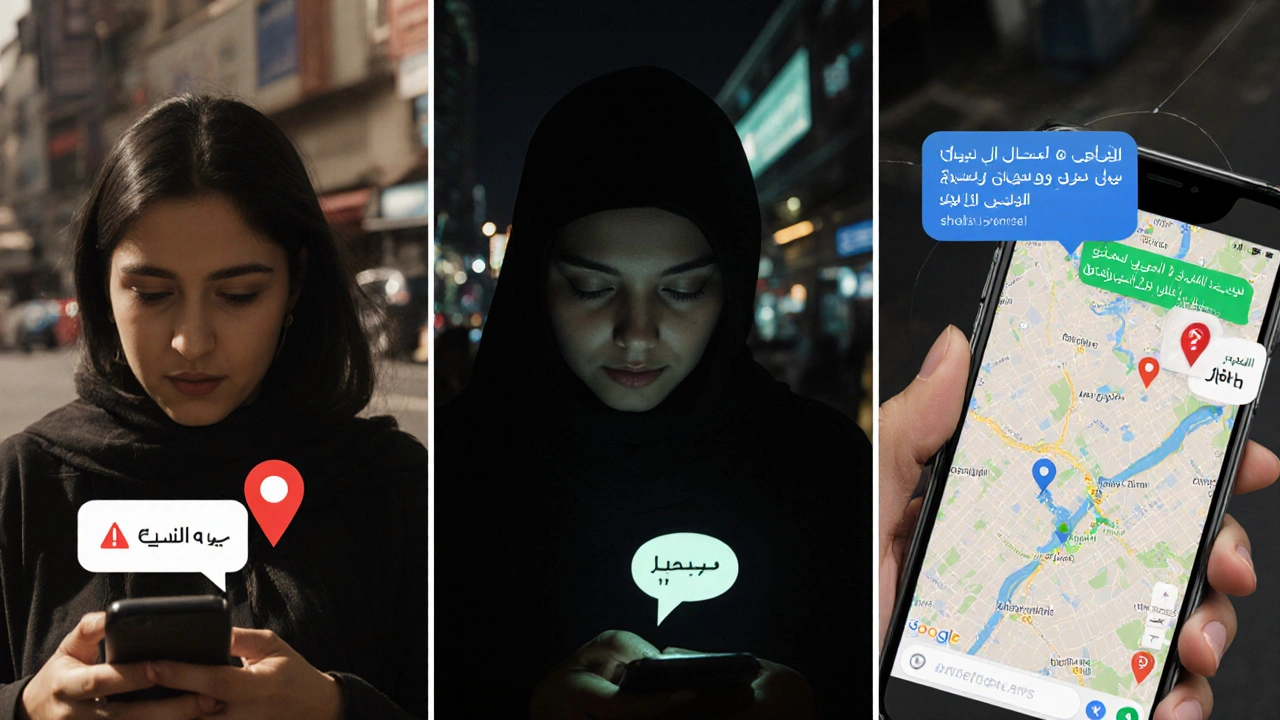
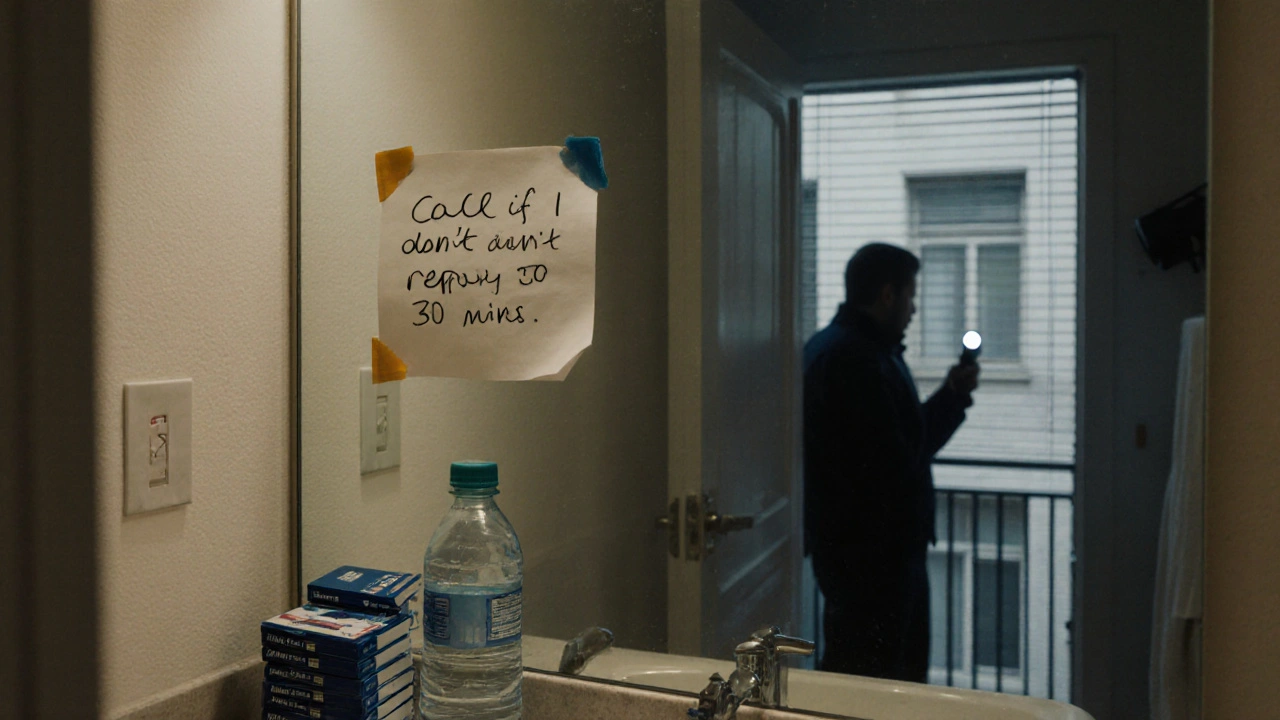
Without legal protection, workers have built their own systems. Many use platforms like AdultWork to screen clients, share red flags, and coordinate safe meetings. They exchange phone numbers through encrypted apps like Signal or Telegram. Some form small peer networks-five or six women who check in with each other before and after appointments. One worker in Deira told me she always texts her friend the address and expected return time. If she doesn’t reply within 30 minutes, her friend calls the police-not to report a crime, but to create a record that someone was at that location.
Some workers pay for private security guards to wait outside their apartments during sessions. Others work only with clients referred by trusted colleagues. A few have started using fake IDs or renting apartments under aliases. None of this is safe. But it’s what they have.
Who’s Actually Advocating for These Workers?
There are no government-backed organizations in Dubai that support adult workers. International groups like Human Rights Watch and Amnesty International have published reports on labor abuses in the UAE, but they rarely name adult work specifically because of legal risks. Local NGOs focus on domestic workers, trafficking victims, or migrant laborers-but not on consenting adults who choose this work.
The only real advocacy comes from underground networks. A former worker from the Philippines started a WhatsApp group called ‘Dubai Sisters’-it’s now over 200 members. They share legal advice (like how to avoid detention during raids), warn about known predators, and raise money for bail if someone gets arrested. One member, Maria, was detained for three weeks after a client reported her. Her group raised $1,200 in two days to hire a lawyer. She was released without charges, but her passport was confiscated. She’s still in Dubai, working under a new name.
The Hidden Cost of Silence
The biggest threat isn’t arrest-it’s isolation. Workers can’t talk to family. They can’t tell friends. They can’t seek mental health care without risking exposure. Depression and anxiety are rampant. One study by a Swiss-based researcher working with migrant communities in the UAE found that 68% of adult workers in Dubai reported symptoms of PTSD, compared to 12% in countries where sex work is legal and regulated.
Many workers say they feel invisible. They’re not considered victims because they’re not trafficked. But they’re not considered workers because they’re not legal. They exist in a gray zone where no one takes responsibility for their safety, dignity, or well-being.
What Real Support Would Look Like
Support doesn’t mean legalization overnight. It starts with basic human rights: the right to report violence without fear of arrest, the right to safe housing, the right to medical care without judgment, and the right to be heard.
Some advocates are pushing for harm-reduction policies-like distributing free condoms and emergency contact cards in areas where workers gather. Others are training local doctors and nurses to recognize signs of abuse without reporting workers to police. A few international charities have quietly funded encrypted apps that let workers anonymously log unsafe clients and share location data with trusted contacts.
What’s missing is a voice. Not a moral voice. Not a political voice. But a worker’s voice. Someone who says: ‘I am not a criminal. I am not a victim. I am a person who works, and I deserve to be safe.’
How You Can Help-Without Putting Anyone at Risk
If you’re reading this and want to help, here’s what actually works:
- Donate to groups like Emirates Women’s Network or Migrant Forum in Asia-they quietly support adult workers under the radar.
- Amplify stories from workers who choose to speak-but never share names, locations, or photos.
- If you’re a client, never report a worker to authorities. Instead, report abusive clients to peer networks.
- Don’t assume all adult workers are trafficked. Many are not. Respecting their autonomy is part of supporting them.
- Write to your country’s embassy in Dubai and ask them to include adult workers in their migrant protection programs.
Change won’t come from protests or petitions. It will come when someone in power realizes that protecting workers isn’t about changing laws-it’s about changing who they see as worthy of protection.
Final Thoughts: You’re Not Alone
To every person reading this who works in adult work in Dubai: you are not invisible. You are not alone. There are people who see you. There are people who care. There are people who are fighting for your right to safety, dignity, and peace-even if no one else will say it out loud.
Is adult work legal in Dubai?
No, adult work is illegal in Dubai under UAE federal law. Any exchange of sexual services for money is considered a criminal offense, regardless of consent, age, or nationality. Workers face arrest, deportation, fines, or detention if caught.
Can sex workers in Dubai report abuse to police?
Technically yes, but practically, no. Police treat the worker as the offender, not the victim. Reporting abuse often leads to the worker being detained or deported instead of the abuser being prosecuted. Most workers avoid police entirely and rely on peer networks for help.
Do any NGOs help adult workers in Dubai?
No official NGOs openly support adult workers due to legal risks. However, some international organizations like Migrant Forum in Asia and the International Organization for Migration provide indirect support-like legal aid, safe housing referrals, or mental health resources-through discreet channels. Workers often learn about these through word-of-mouth.
Why don’t more workers leave Dubai?
Many can’t afford to leave. Returning home means losing income, facing stigma, or being unable to repay debts. Some are trapped by withheld passports or visa restrictions. Others fear violence from traffickers or pimps if they try to quit. For many, staying and working under risk feels safer than returning to poverty or abuse.
How do workers find clients in Dubai?
Most use online platforms like AdultWork, social media, or encrypted messaging apps. Some rely on referrals from other workers. Others work through intermediaries or agents who take a cut but provide protection. Few use street-based methods due to high police patrols and risk of arrest.