Adult Work in Dubai and Rehabilitation: Programs That Support Reintegration

Working in adult services in Dubai isn’t just a job-it’s a high-risk path with serious legal, social, and personal consequences. Unlike many countries where sex work exists in gray zones, Dubai enforces strict laws under its penal code. Being caught can lead to deportation, jail time, or both. Yet, despite the risks, some adults continue to work in this space-often because they have no other options, are trapped by debt, or are fleeing abuse elsewhere. What happens after they decide to leave? That’s where rehabilitation and reintegration programs come in.
Why Leaving Adult Work in Dubai Is So Hard
Leaving adult work isn’t like quitting a retail job. People don’t just walk out and find something else. Many are undocumented, have no savings, and are cut off from family. Some were brought to Dubai under false promises of modeling or hospitality jobs. Others were coerced by traffickers or pimps who took their passports and controlled their movements.
Even those who entered voluntarily often face stigma that follows them everywhere. Landlords refuse to rent to them. Employers won’t hire them. Banks close their accounts. The moment someone is linked to adult work-even if they’ve never been arrested-they become invisible in the formal economy.
And then there’s the trauma. Many have experienced violence, exploitation, or emotional manipulation. Without counseling or safe housing, returning to the same environment is often the only option they see.
What Rehabilitation Looks Like in Dubai
Dubai doesn’t have public programs labeled as "rehabilitation for adult workers." But that doesn’t mean support doesn’t exist. Several NGOs, religious charities, and international agencies operate quietly behind the scenes to help people exit this line of work.
The International Organization for Migration (IOM) runs one of the most consistent programs. They partner with local shelters to provide emergency housing, legal aid, and medical care to individuals who have escaped trafficking or exploitation. Their team works with police and embassies to repatriate people safely-especially those from the Philippines, Ukraine, Nigeria, and Bangladesh, who make up the majority of foreign adult workers in Dubai.
Another key player is the Dubai Foundation for Women and Children. Though they don’t advertise their work with adult workers, they offer trauma counseling, vocational training, and life skills workshops to women in crisis. Some clients come through referrals from social workers who’ve encountered them on the streets or in detention centers.
Religious groups, like the Islamic Relief Dubai chapter, also step in. They provide food, clothing, and temporary shelter-not because they approve of the work, but because they believe no human being should be left without dignity. Some have even helped former workers enroll in Arabic language classes or get certified in basic healthcare roles.
Reintegration: Getting a Real Job After Adult Work
Rehabilitation isn’t just about getting off the streets. It’s about rebuilding a life. And that means employment.
But here’s the problem: most employers in Dubai require a clean criminal record. Even if someone was never convicted, being flagged in immigration databases as a "person of concern" can block job applications. That’s why some programs focus on skills that don’t require formal background checks.
Examples include:
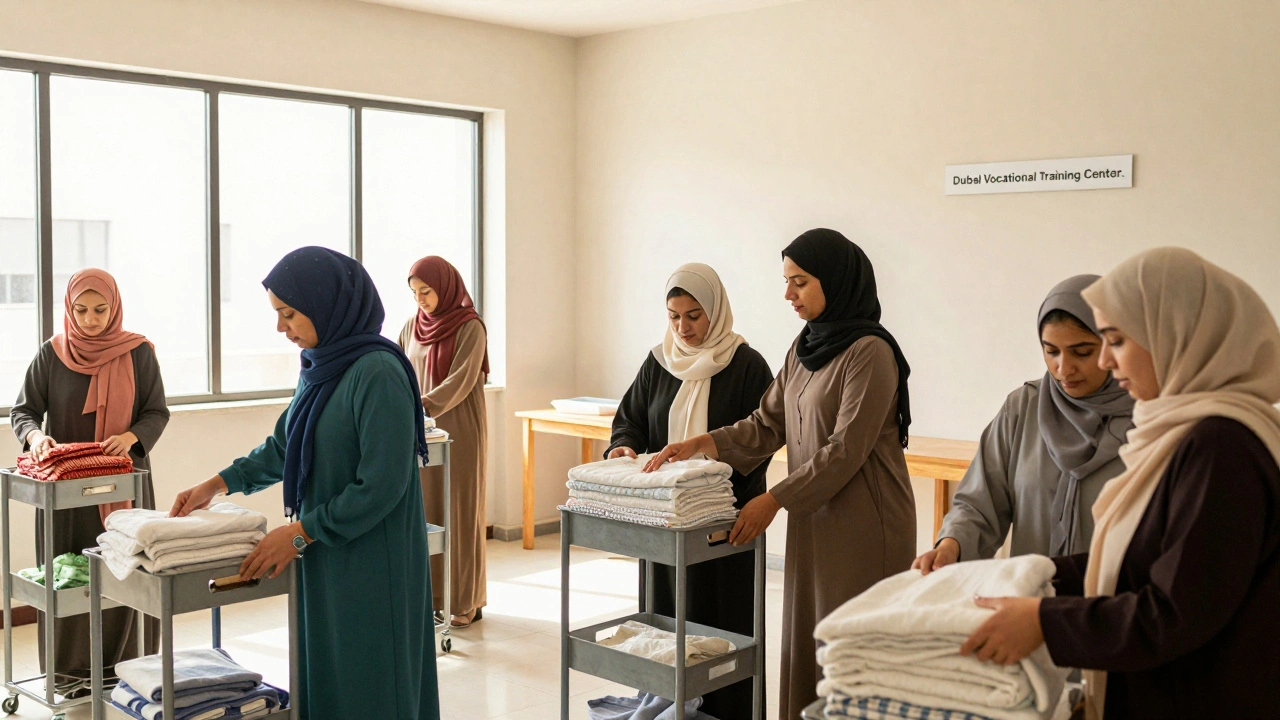
- Housekeeping and hotel cleaning certifications (offered through Dubai’s Vocational Training Center)
- Food service training (partnered with local catering companies)
- Basic IT and data entry courses (via free online platforms like Coursera, subsidized by NGOs)
- Beauty and wellness certifications (hairdressing, nail tech, massage therapy-areas where demand is high and oversight is low)
One woman, who asked to remain anonymous, left adult work in 2023 after a police raid. With help from IOM, she completed a six-week housekeeping course. Today, she works at a hotel in Al Barsha. She earns 3,200 AED a month-less than she made on the job, but it’s legal, safe, and she can sleep without fear.
Barriers to Success
Not everyone who tries to leave succeeds. The biggest roadblocks are:
- Debt traps: Many owe money to traffickers or recruiters. Paying it off can take years.
- Language barriers: Without Arabic or English fluency, finding work outside the industry is nearly impossible.
- Lack of documentation: No passport, no residency permit, no ID-these make even basic services inaccessible.
- Isolation: Many have no family support. Social networks are gone.
- Stigma from within the community: Some former workers are shunned by other migrants who fear being associated with "contaminated" individuals.
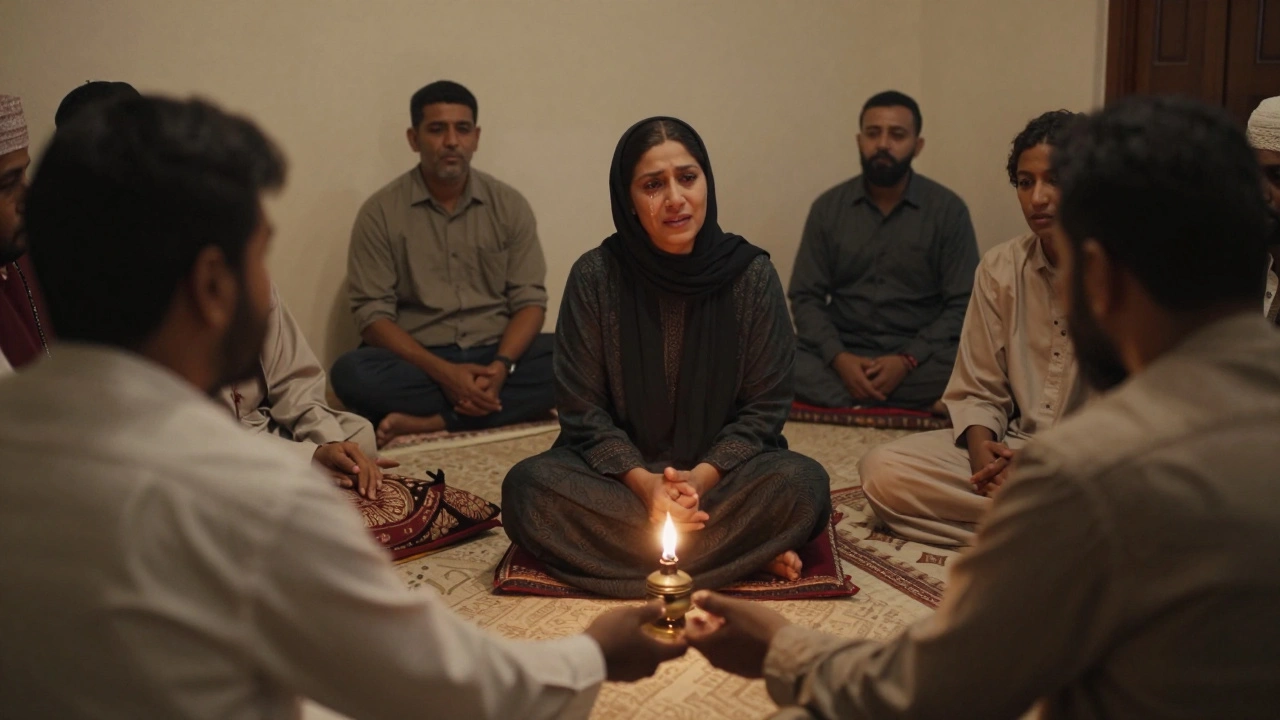
One program in Deira, run by a local imam and a former worker turned counselor, tackles this last issue head-on. They host weekly gatherings where people share stories without judgment. It’s not therapy. It’s not official. But for many, it’s the first time they’ve felt human since they arrived.
What Works-and What Doesn’t
Not all interventions help. Some well-meaning charities offer "career counseling" but don’t connect people to actual jobs. Others hand out flyers for online courses that require internet access they don’t have.
Effective programs share three things:
- Immediate safety: Shelter, food, medical care-before anything else.
- Real job pathways: Partnerships with employers who hire without background checks.
- Long-term support: Check-ins at 3 months, 6 months, a year. Many relapse because they’re alone again.
One study by the Global Human Trafficking Hotline found that people who received ongoing support for at least 12 months were 73% more likely to stay out of adult work than those who got only a few weeks of help.
How You Can Help
If you’re reading this and you’re in Dubai, you might wonder: What can I do?
You don’t need to start a nonprofit. Small actions matter:
- If you know someone working in adult services, don’t judge. Ask if they’re safe. Offer to help them contact IOM or the Dubai Foundation.
- Donate gently used clothes, phones, or SIM cards to local shelters.
- Volunteer to teach basic English or computer skills-even one hour a week makes a difference.
- Support businesses that hire people with complex backgrounds. Many cleaners, cooks, and drivers in Dubai are former adult workers. Pay them fairly. Treat them with respect.
Change doesn’t come from laws alone. It comes from people choosing to see each other as human beings-not labels, not cases, not statistics.
Frequently Asked Questions
Can adult workers in Dubai get legal help?
Yes. Organizations like the International Organization for Migration (IOM) and the Dubai Foundation for Women and Children provide free legal aid to those who want to leave adult work. They help with deportation appeals, repatriation paperwork, and protection from traffickers. You don’t need to be a citizen to access these services.
Is it possible to get a new job after working in adult services in Dubai?
It’s difficult, but not impossible. Many former workers find jobs in housekeeping, food service, or beauty salons-fields where employers prioritize reliability over background checks. Vocational training programs run by NGOs can help build the skills needed. The key is finding employers who don’t ask intrusive questions and who are willing to give someone a second chance.
What happens if someone is arrested for adult work in Dubai?
Arrest usually leads to detention, followed by deportation. In some cases, people are held for months while their country’s embassy processes paperwork. If they’re identified as victims of trafficking, they may be transferred to a shelter instead of being jailed. But this only happens if they’re referred by a social worker or NGO-most don’t know how to ask for help.
Are there safe shelters for adult workers in Dubai?
Yes, but they’re not advertised. The Dubai Foundation for Women and Children, IOM, and some religious charities run confidential shelters. These places offer food, counseling, and help with repatriation. Access is usually through referral from a social worker, doctor, or police officer. If you or someone you know needs help, contact IOM Dubai directly-they respond to anonymous inquiries.
Do these programs help men too?
Most programs focus on women, but men are also affected. Male adult workers, often from South Asia or East Africa, face even less support. Some NGOs now include male clients in their vocational training, especially in cleaning and maintenance roles. However, there are far fewer resources for them, and stigma is even stronger.
Final Thoughts
Adult work in Dubai isn’t a lifestyle choice for most. It’s survival under extreme pressure. And when people want out, the system rarely gives them a ladder. But it doesn’t have to be this way. With the right support-safe housing, real job training, and human dignity-people can rebuild. Not just survive. Not just escape. But live.