A Day in the Life: What an Escort Job Really Looks Like

Most people think escorting is all about glamour, late-night parties, and easy money. The truth? It’s a job. A real one. With routines, boundaries, paperwork, and days that start with coffee and end with exhaustion. If you’ve ever wondered what an escort actually does from sunrise to sunset, here’s what it looks like - no filters, no fantasy.
6:30 AM - The Quiet Before the Day Starts
The alarm goes off. Not because you’re excited. Because you have to be. There’s no boss checking in, no shift supervisor. But there’s a client waiting in an hour, and you’re the only one who can show up on time. You roll out of bed, stretch, and make tea. No caffeine buzz here - you learned long ago that too much coffee means jittery hands and a racing heart. Neither helps when you’re trying to stay calm during a first meeting. You check your phone. Two messages. One from a client confirming the time and location. The other from your vet: your cat’s appointment is tomorrow. You reply with a thumbs-up. This is your life now - balancing human needs with professional ones. There’s no HR department to call when you’re sick. No sick days. If you don’t work, you don’t eat.8:00 AM - Prep Work
Shower. Skincare. Hair. Makeup. Not for looks. For safety. You don’t wear heavy foundation because it smudges. You don’t wear perfume because some clients are allergic. You wear neutral tones - not too bright, not too dull. You want to look put together, not like you’re trying too hard. You check your calendar. Three appointments today. Two in Brighton, one in Hove. You’ve already vetted them through your platform - no new clients without a profile, photos, and a clear message. You don’t take risks. Not anymore. You’ve seen what happens when you do. You pack your bag: condoms, lube, hand sanitizer, a portable charger, a small first-aid kit, and your emergency button. You keep a copy of your appointment details on paper, too. Phones die. Networks fail. You’ve learned to be ready for anything.10:00 AM - First Appointment
You arrive ten minutes early. You don’t go straight in. You sit in your car. You check your reflection. You take a breath. You remind yourself: you’re here because you chose this. Not because you had to. Not because you were pushed. You chose it. You knock. The door opens. You smile. You don’t hug. You don’t shake hands. You keep distance. You say your name. You ask for theirs. You confirm the time, the service, the boundaries. You repeat them out loud. They nod. You nod. You both know what’s expected. The appointment lasts 90 minutes. You’re professional. You’re present. You’re not there to be a therapist, a friend, or a fantasy. You’re there to deliver a service - on your terms. When it’s over, you thank them. You don’t say “have a nice day.” You say “take care.” You leave. You don’t look back.12:30 PM - Lunch and Log
You eat in your car. A sandwich. An apple. Water. You don’t eat at the client’s place. You never do. You don’t want to leave traces. You don’t want to be asked to stay. You open your laptop. You log the appointment. Time in. Time out. Service provided. Payment received. Notes - only neutral ones. “Client polite. No issues.” You don’t write names. You don’t write addresses. You write codes. You’ve learned the hard way that digital footprints don’t disappear. You reply to two messages. One from a new client asking about availability. You say you’re booked for the next week. You don’t ghost. You don’t lead on. You’re honest. That’s how you keep your reputation clean.3:00 PM - Second Appointment
This one’s different. He’s older. Quiet. Doesn’t talk much. You don’t push. You don’t try to fill silence. You know some clients just need to be seen. Not touched. Not talked to. Just there. You sit with him. You read. You listen. He doesn’t say much. But when he leaves, he hands you an envelope. Cash. More than agreed. You don’t refuse. You say thank you. You don’t ask why. You drive to your next stop. You feel tired. Not physically. Emotionally. You don’t cry in the car. You don’t vent to strangers. You have a therapist. You’ve had one for three years. You pay for it yourself. It’s not a luxury. It’s part of the job.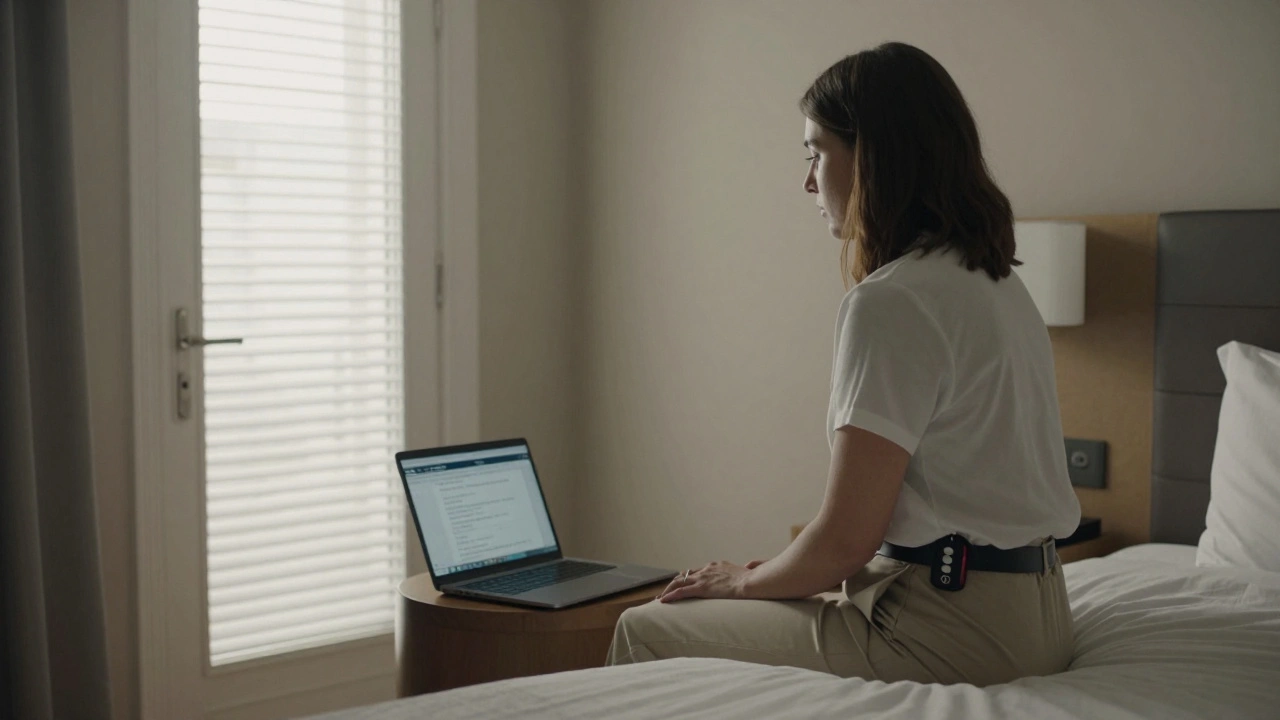
6:00 PM - The Third Appointment
This is the one you’ve been dreading. A new client. You’ve read his profile. He’s vague. No photos of him. No clear history. You almost canceled. But you didn’t. You’ve learned that sometimes, the ones who seem off are the ones who need boundaries the most. You meet him at a hotel. You bring your emergency button. You leave your phone on the nightstand. You keep the door unlocked. You tell him your limits. He agrees. You check in every 20 minutes. You don’t let him touch your face. You don’t let him record anything. You don’t let him stay past the time. When it’s over, you don’t say goodbye. You say “I’ll see myself out.” You walk to your car. You lock the doors. You sit there for ten minutes. You breathe. You remind yourself: you’re safe. You did it right.8:30 PM - Wind Down
You go home. You don’t go out. You don’t text friends. You don’t scroll through social media. You take a long bath. You light a candle. You put on music - something slow. You don’t watch TV. You don’t want to see other people’s lives. You check your bank account. Two payments cleared. Enough for rent. Enough for groceries. Enough for your cat’s food. You don’t have savings. Not yet. But you’re building. Slowly. You write in your journal. Not about the clients. About you. What you felt. What you learned. What you need tomorrow. You don’t write names. You write feelings. You’ve learned that the job doesn’t define you. You define the job.11:00 PM - Sleep
You turn off the light. You don’t check your phone. You don’t worry about tomorrow. You know you’ll handle it when it comes. You sleep.What No One Tells You
People think escorting is about sex. It’s not. It’s about presence. It’s about control. It’s about showing up - even when you’re tired. Even when you’re scared. Even when you just want to stay in bed. It’s not glamorous. It’s not wild. It’s not what you see in movies. It’s quiet. It’s repetitive. It’s hard. And it’s honest. You don’t need to be beautiful. You need to be consistent. You don’t need to be young. You need to be clear. You don’t need to be fearless. You need to be prepared. And if you’re thinking about doing it? Know this: it’s not a side hustle. It’s a career. And like any career, it demands respect - from others, and from yourself.What Keeps This Job Sustainable
The best escorts aren’t the ones who work the most. They’re the ones who know when to say no. They set boundaries - and they stick to them. They don’t let clients dictate terms. They don’t take risks to make extra cash. They don’t mix personal and professional lives. They use platforms like AdultWork to screen clients. They keep records. They trust their gut. They have support systems. They have therapists. They have friends who know what they do - and don’t judge them for it. They know their worth. And they charge for it.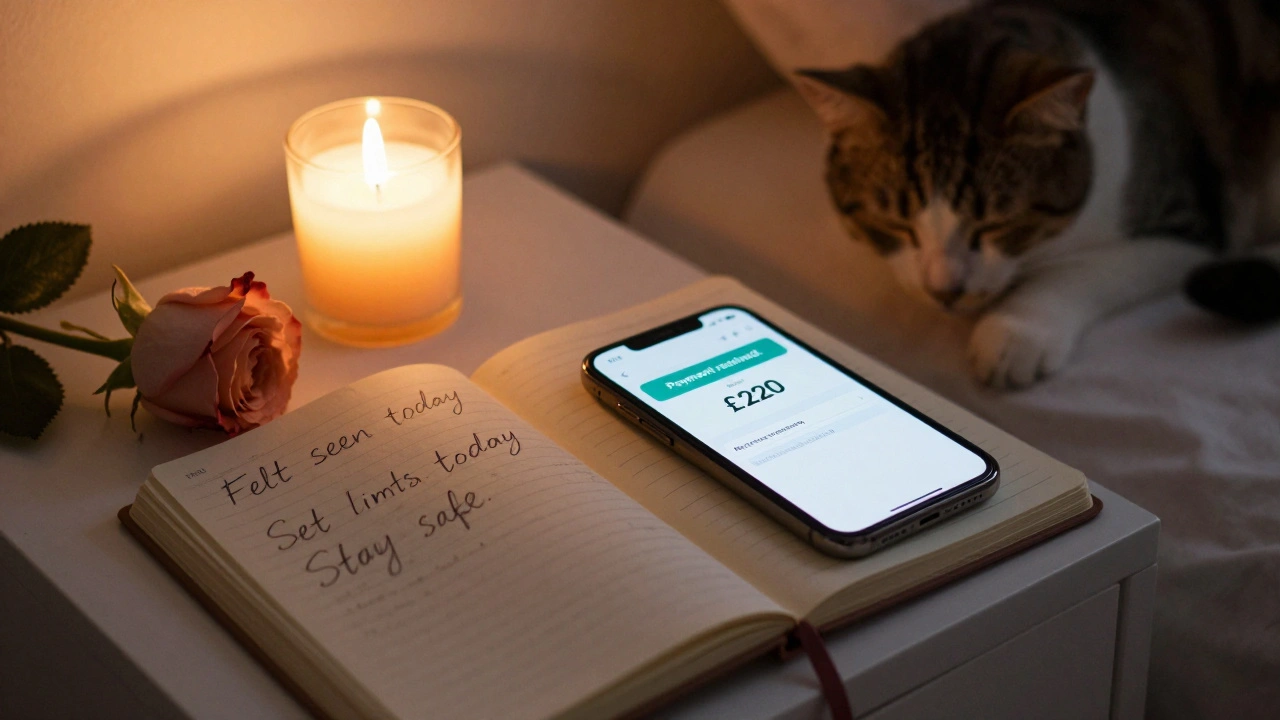
Myths vs. Reality
- Myth: Escorts are always available. Reality: Most have strict limits on days, times, and locations.
- Myth: It’s easy money. Reality: You pay for insurance, cleaning, transport, apps, taxes, and therapy.
- Myth: Everyone is young and gorgeous. Reality: Escorts range from 20 to 60+. Many are mothers, students, artists, or former nurses.
- Myth: Clients are all creepy. Reality: Many are regular guys - lonely, kind, respectful. Some are not. You learn to tell the difference.
- Myth: It’s illegal. Reality: In the UK, selling sexual services is legal. Soliciting in public is not. Working independently from home or hotels? That’s within the law.
How to Stay Safe
- Always use a platform with verified profiles and reviews.
- Never go to a client’s home on the first meeting.
- Let someone know where you’re going and when you’ll be back.
- Carry a personal alarm or emergency button.
- Use cash or secure digital payments - never Venmo or PayPal with strangers.
- Keep your phone charged and your location sharing on.
- Trust your gut. If something feels off, leave. No apology needed.
Who Actually Does This Job?
You’d be surprised. A single mom in Brighton paying for childcare. A university student studying psychology. A retired nurse who misses human connection. A graphic designer who hates the 9-to-5 grind. A non-binary artist who found freedom in control. There’s no one type. There’s no profile. There’s no stereotype. Just people. Making choices. Trying to survive. Trying to thrive.Frequently Asked Questions
Is being an escort legal in the UK?
Yes, selling sexual services is legal in the UK. However, activities like soliciting in public, running a brothel, or pimping are not. Independent escorts who work from home, hotels, or private spaces - without third parties - operate within the law. Many use platforms like AdultWork to connect with clients safely and legally.
How much do escorts actually earn?
Earnings vary widely. In Brighton and London, independent escorts typically charge between £80 and £250 per hour, depending on experience, location, and services offered. Most work 2-4 appointments a week. After expenses (platform fees, transport, cleaning, taxes), net income averages £1,500-£3,500 per month. It’s not luxury income, but it’s stable for those who manage it well.
Do escorts have regular clients?
Yes, many do. Regular clients are often the most respectful. They know boundaries. They pay on time. They don’t push for more. Some escorts build long-term relationships with 5-10 regulars. These clients become part of a stable income - and sometimes, a quiet form of companionship.
Is it safe to be an escort?
Safety isn’t guaranteed - but it’s manageable. Most serious escorts use screening tools, never meet alone in private homes, carry emergency devices, and inform someone of their whereabouts. Platforms like AdultWork help verify clients. The biggest risks come from ignoring boundaries or working without a plan. With preparation, the job can be as safe as any other freelance profession.
Can you do this job long-term?
Absolutely. Many escorts work for years - even decades. Some transition into related fields like sex education, counseling, or content creation. Others keep it as a side income while pursuing other careers. The key is setting limits, managing burnout, and having a plan for the future. It’s not a dead-end job. It’s a choice - and choices can evolve.